DETOUR
What is
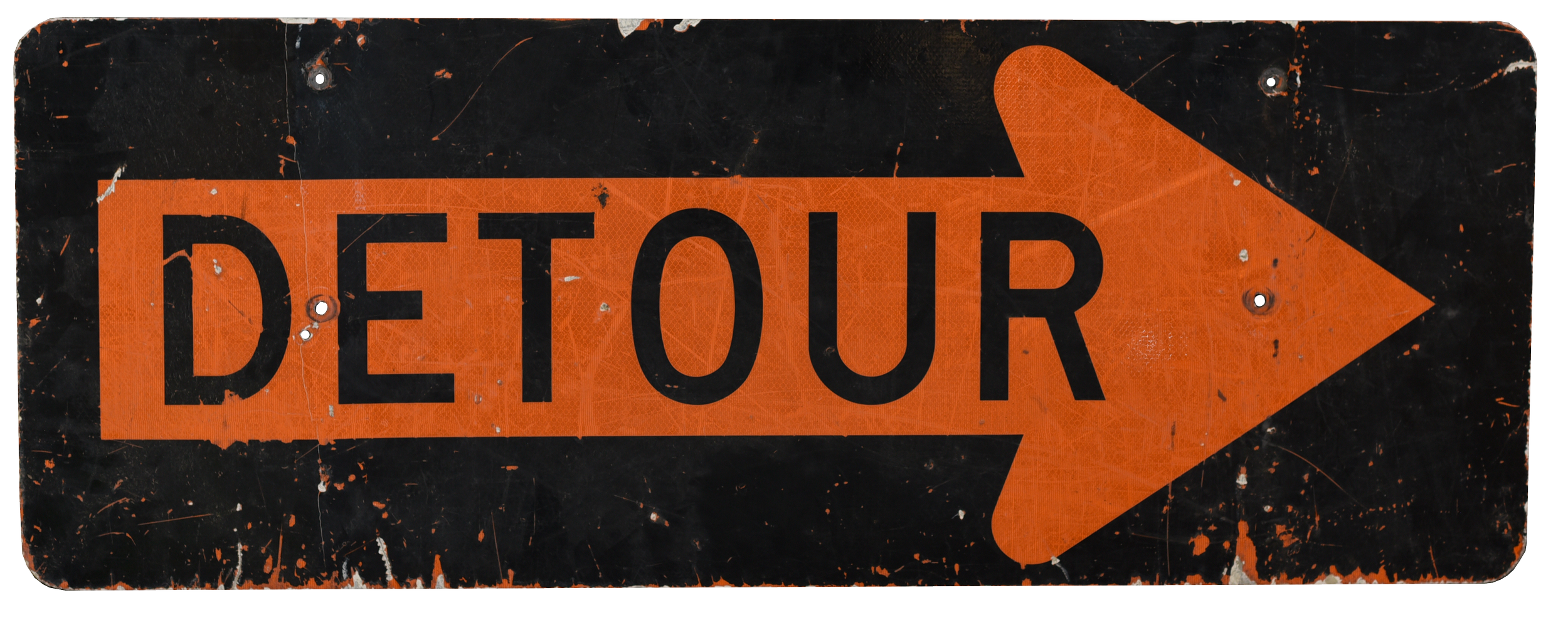
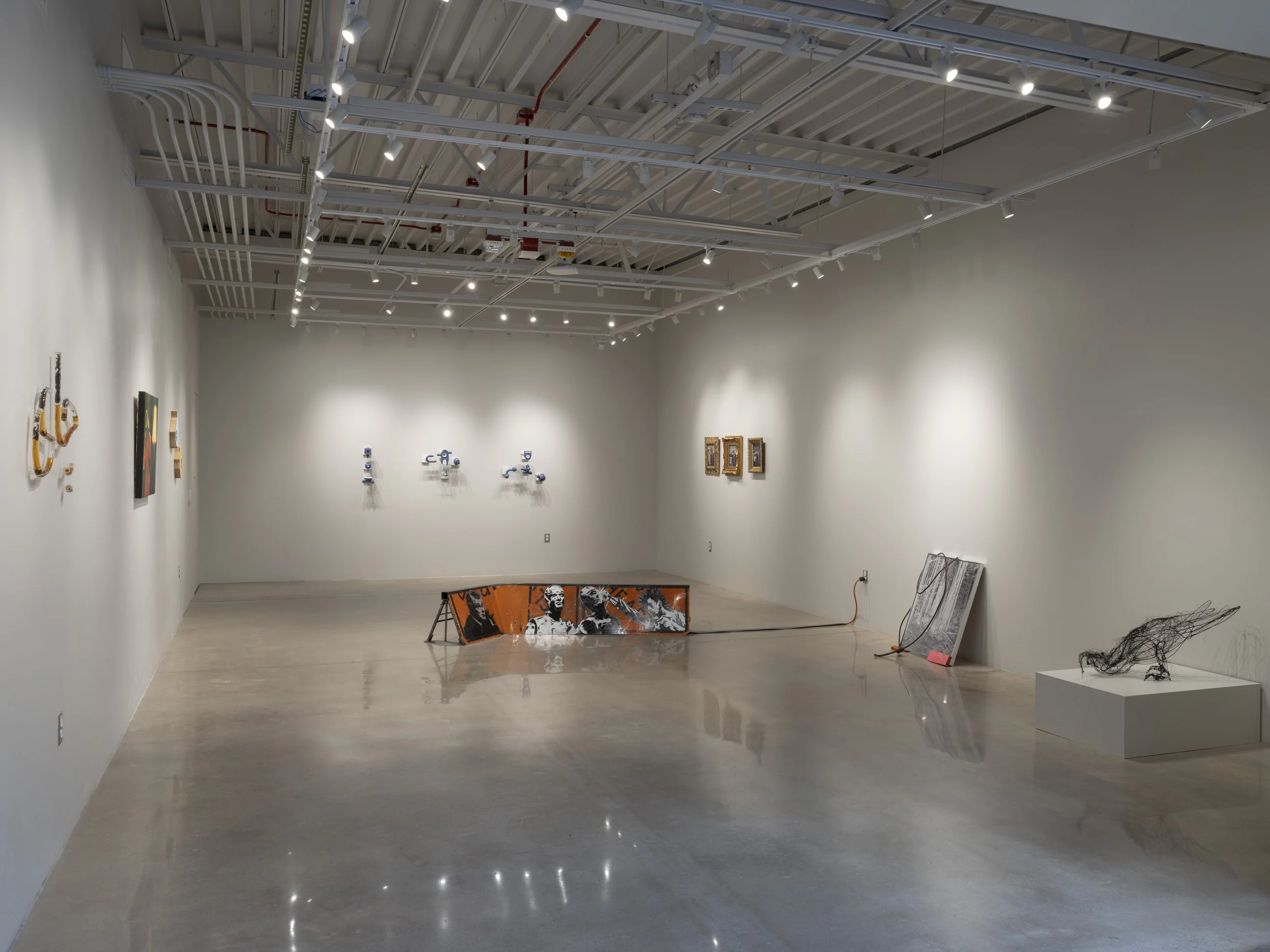
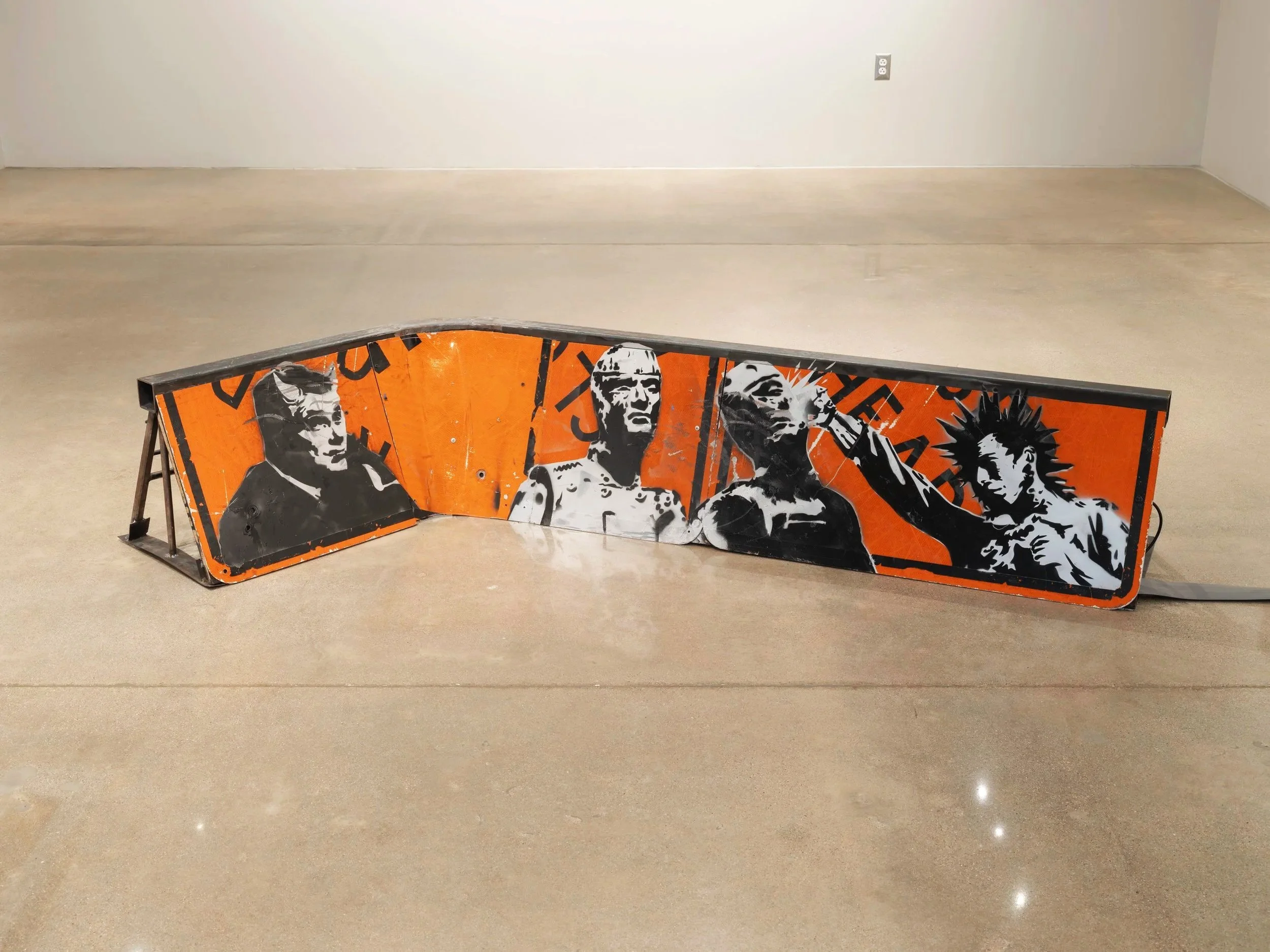
DETOUR brings skateboarding into the gallery through a collection of skateable sculptures and paintings made from materials associated with urban control and restriction. Street signs, industrial metal, fence wire, and chains come from the visual language of the city—objects designed to direct movement, regulate behavior, communicate rules, and define where we are allowed to go. Throughout the project, I take these materials out of their intended roles and turn them into surfaces and structures for creativity, movement, and experimentation.
The project grew from my interest in panopticism and the ways people learn to regulate their own behavior within controlled environments. Cities are filled with signs, barriers, cameras, architecture, and other systems that quietly tell us how to move through space. Skateboarding disrupts that logic. A handrail becomes something to grind. A ledge becomes something to jump. A barrier can become an opportunity rather than a restriction. Skateboarding creates an alternative reading of the city, where spaces designed for one purpose can be reinterpreted through movement and play.
The curved rail titled DETOUR became one of the starting points for the project. By changing the familiar form of a skate rail, the sculpture requires the skater to adapt to an unexpected path. That gesture became central to the larger body of work: redirecting materials, objects, and systems that usually communicate authority.
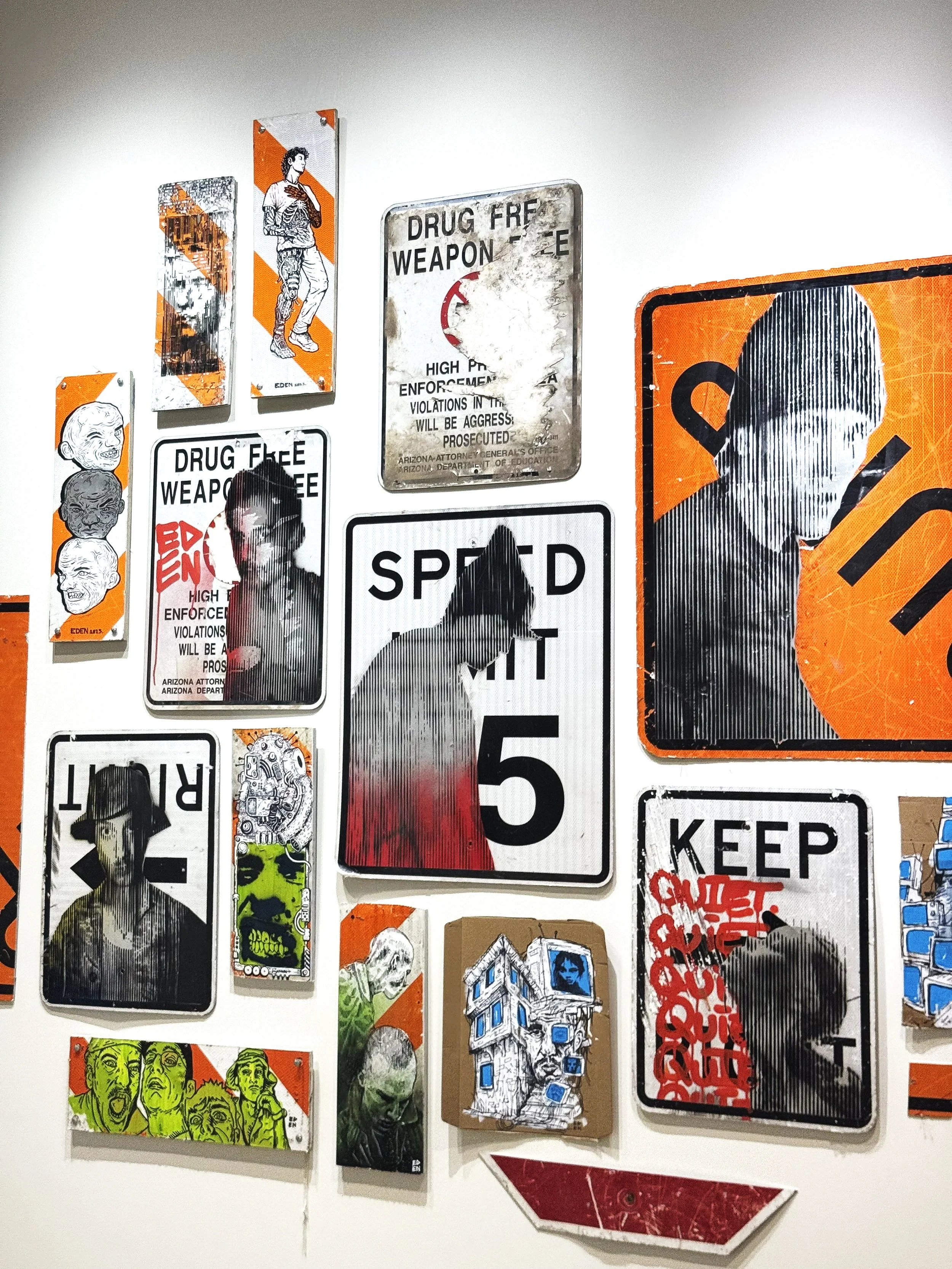
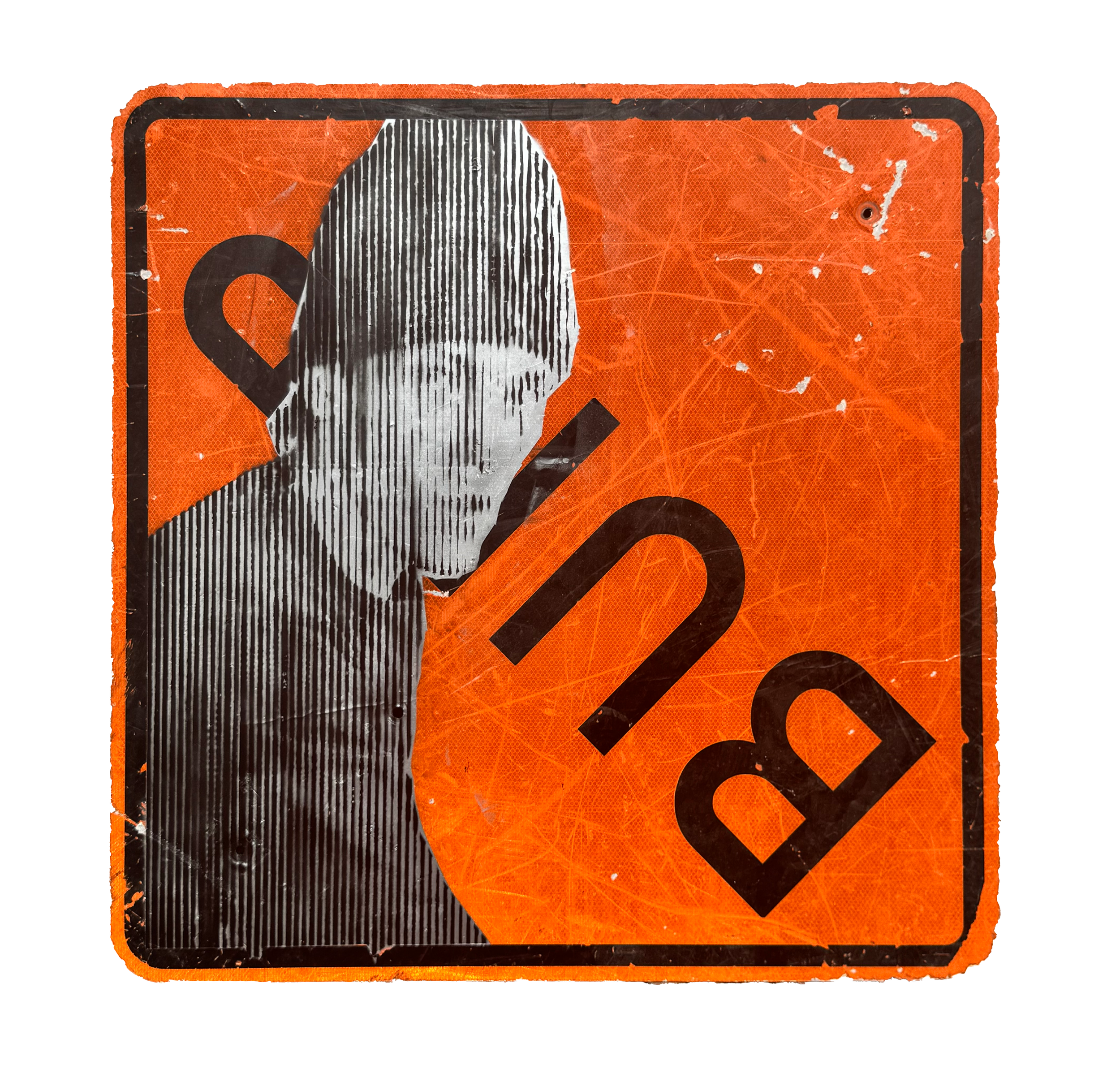
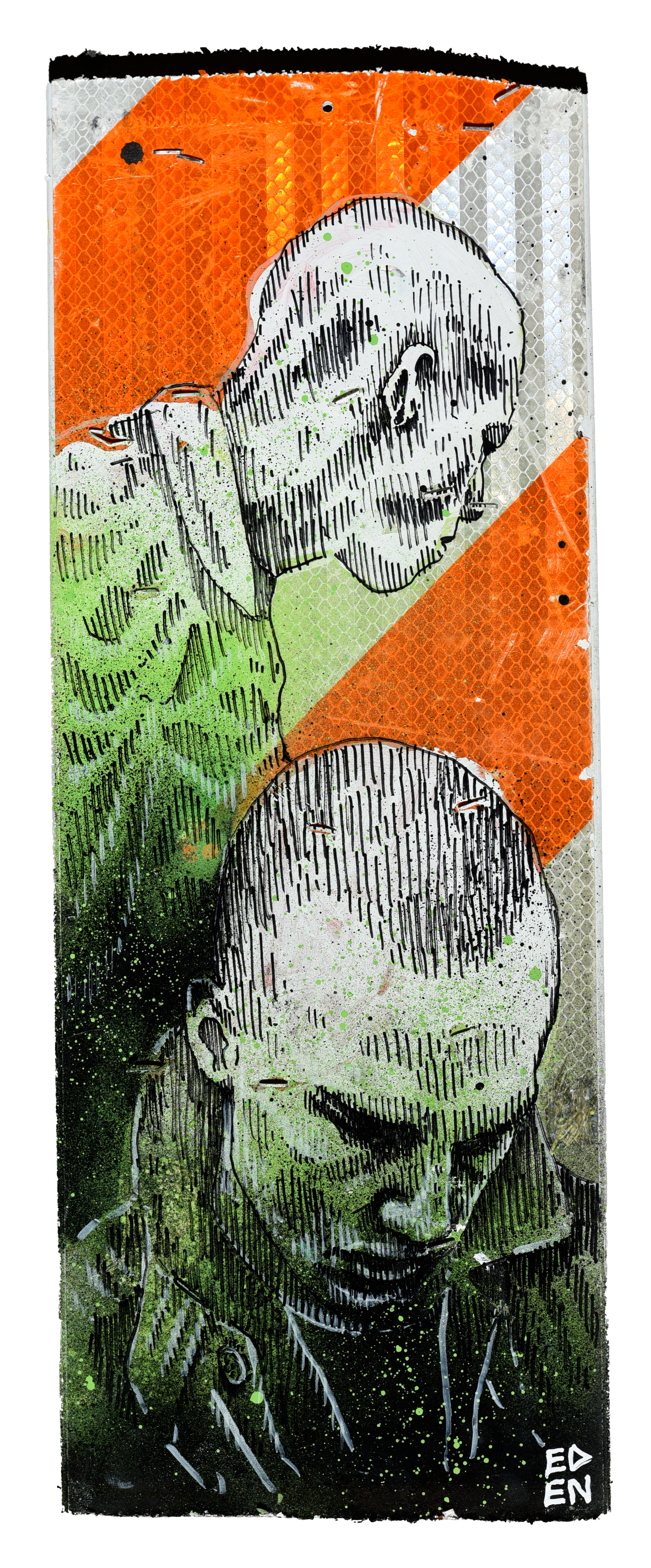
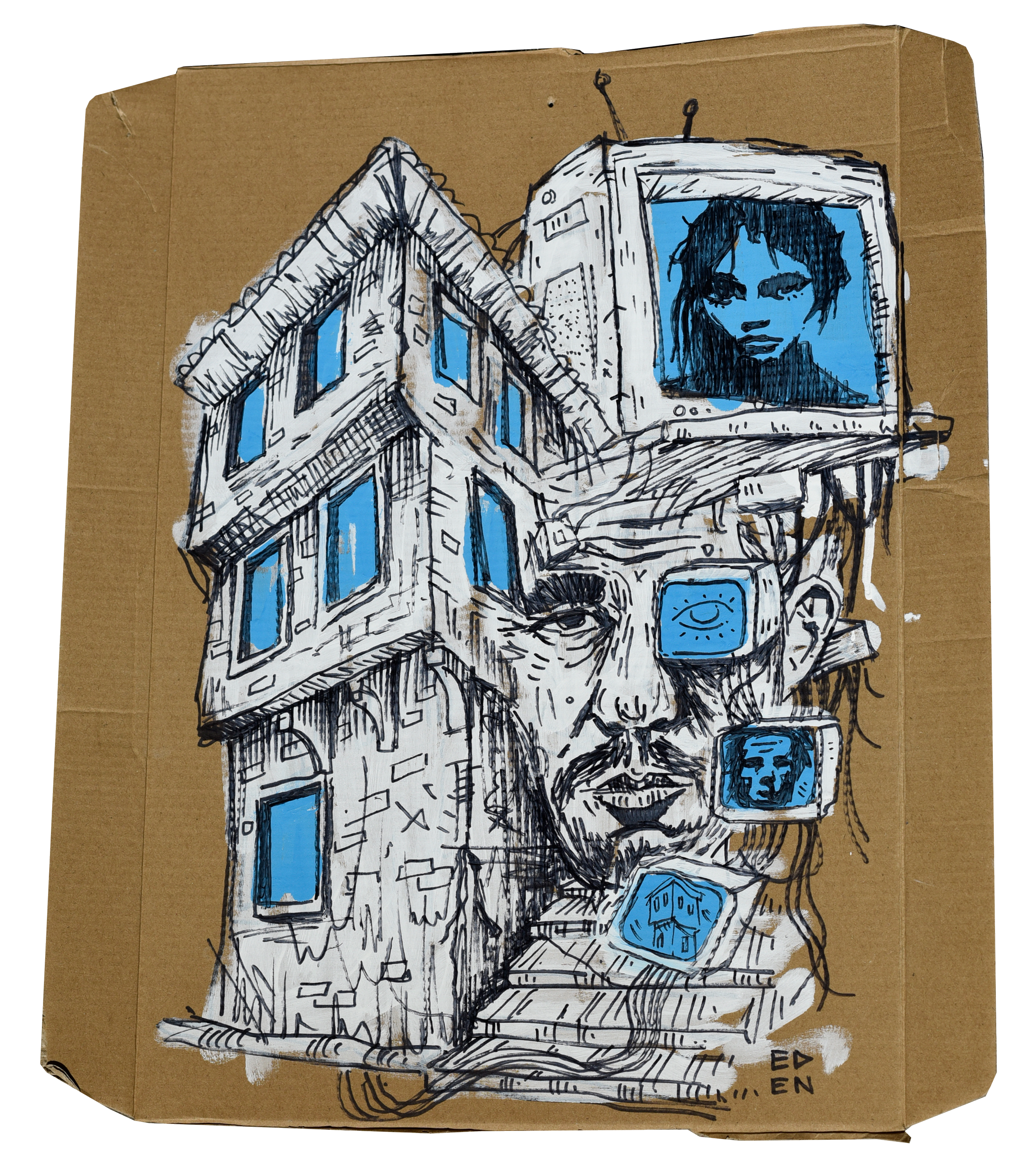
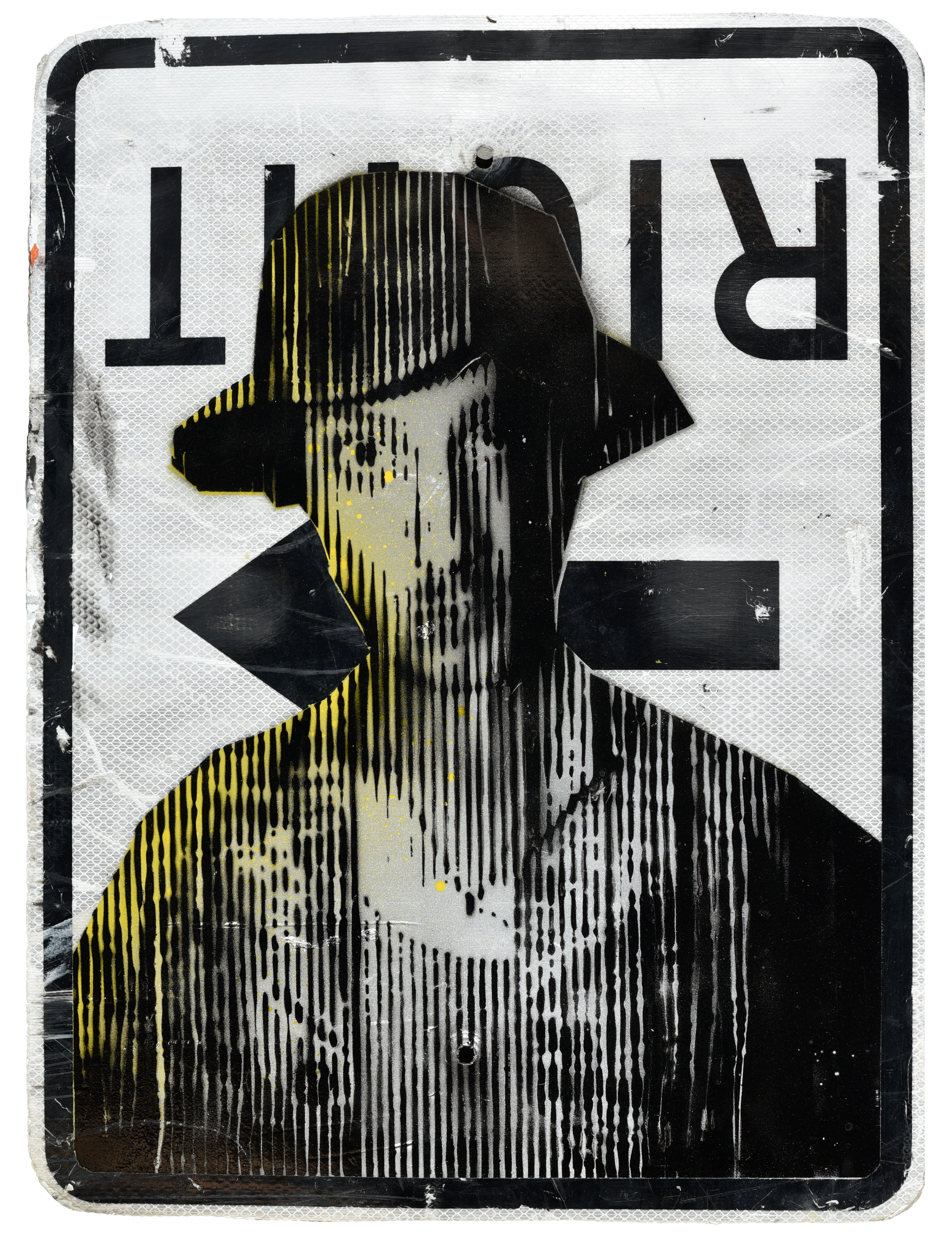
The paintings extend this idea onto the surfaces of street signs themselves. Rather than allowing the sign to communicate a fixed instruction, I use it as a support for painting and image-making. The industrial surface remains recognizable, but its authority becomes interrupted. Turning a functional object into an artwork allows me to question what gives an object meaning, where that meaning comes from, and how easily it can be rewritten.
Bringing these works into a gallery creates another kind of tension. Skate ramps, street signs, and skateboarding belong to environments that are often treated as separate from fine art. Inside the gallery, they challenge expectations about what sculpture can be, how an artwork should be used, and how a viewer is expected to behave around it. DETOUR
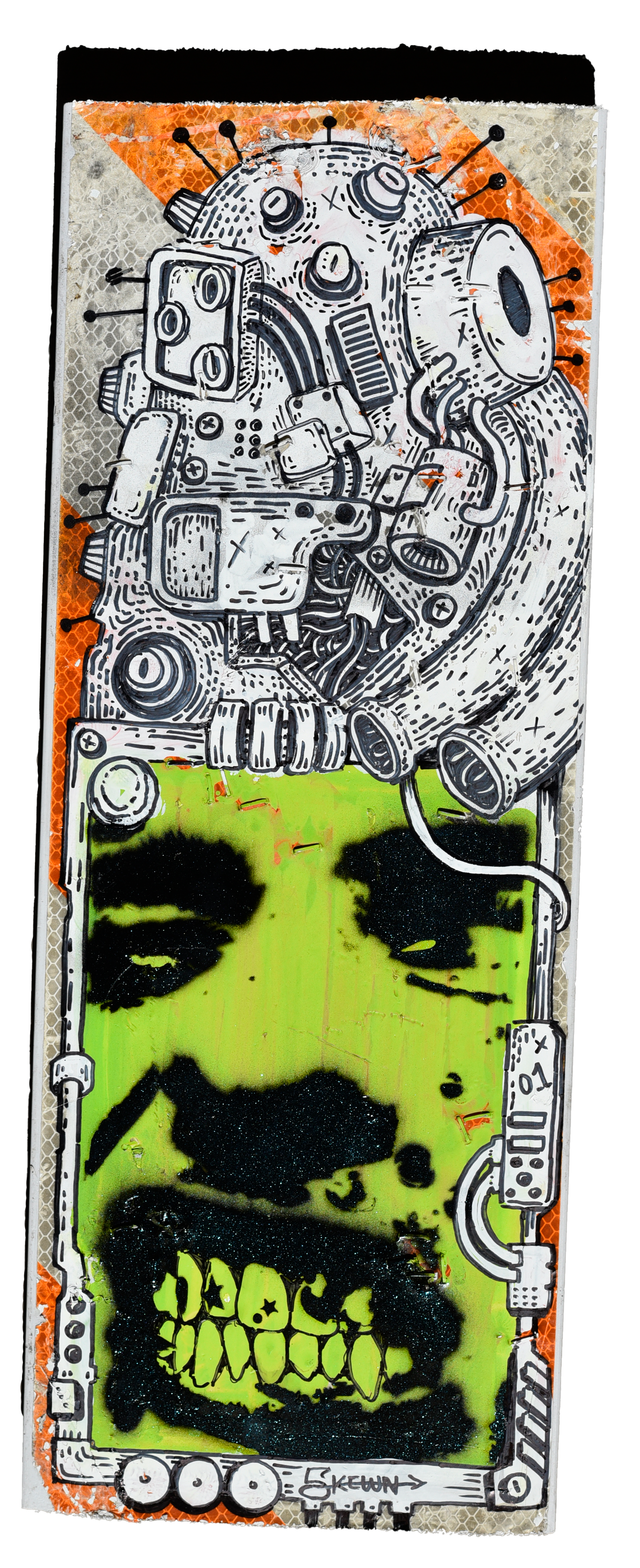
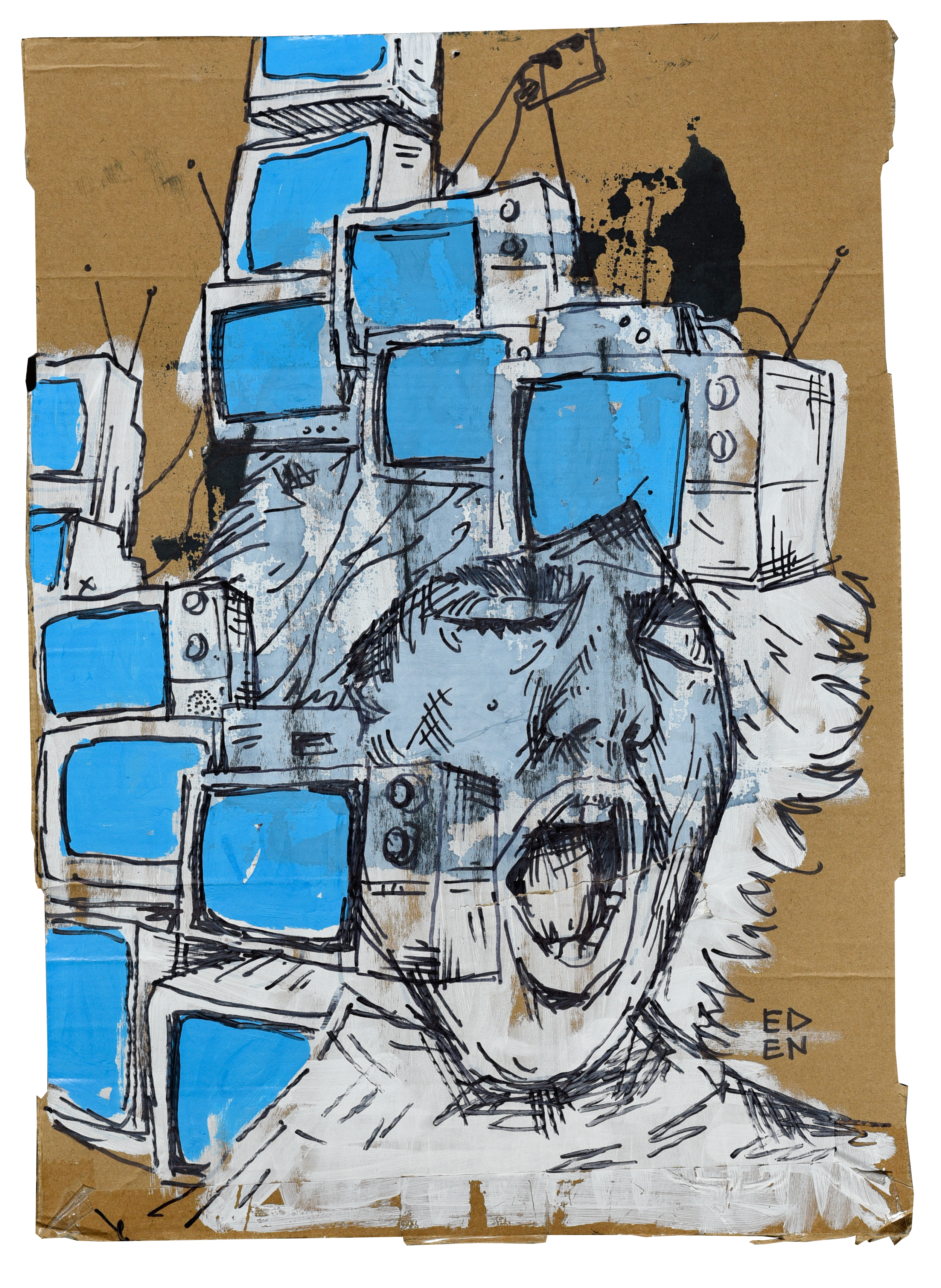
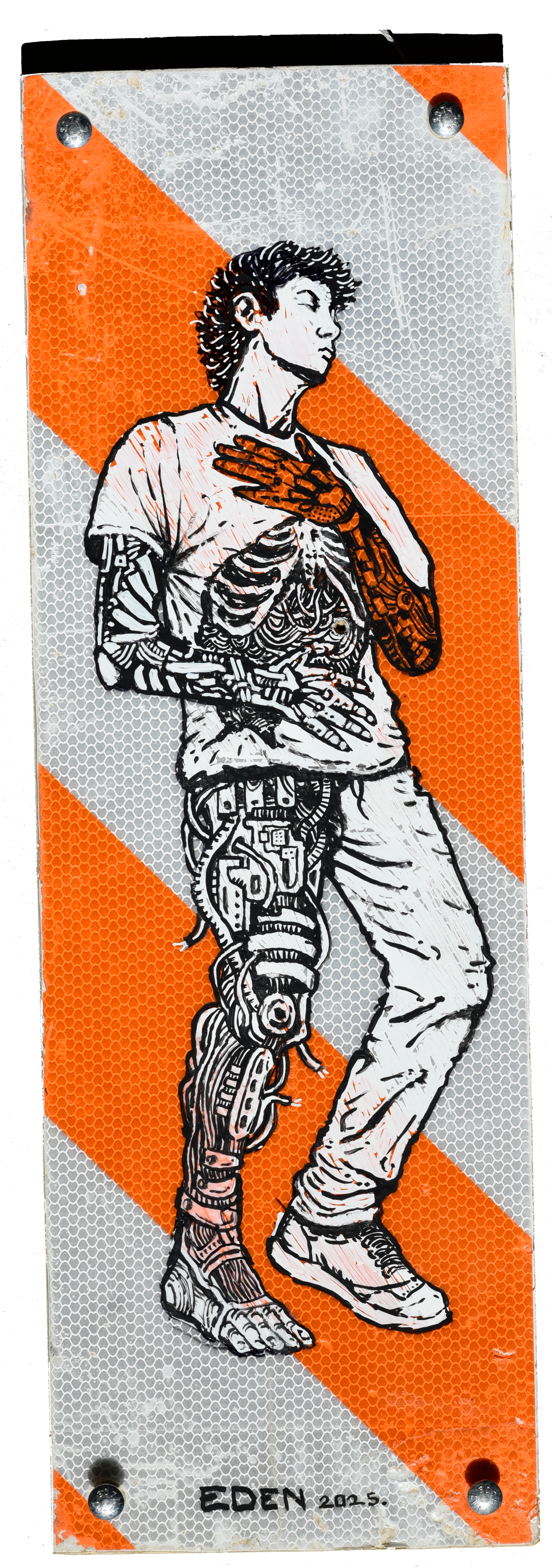
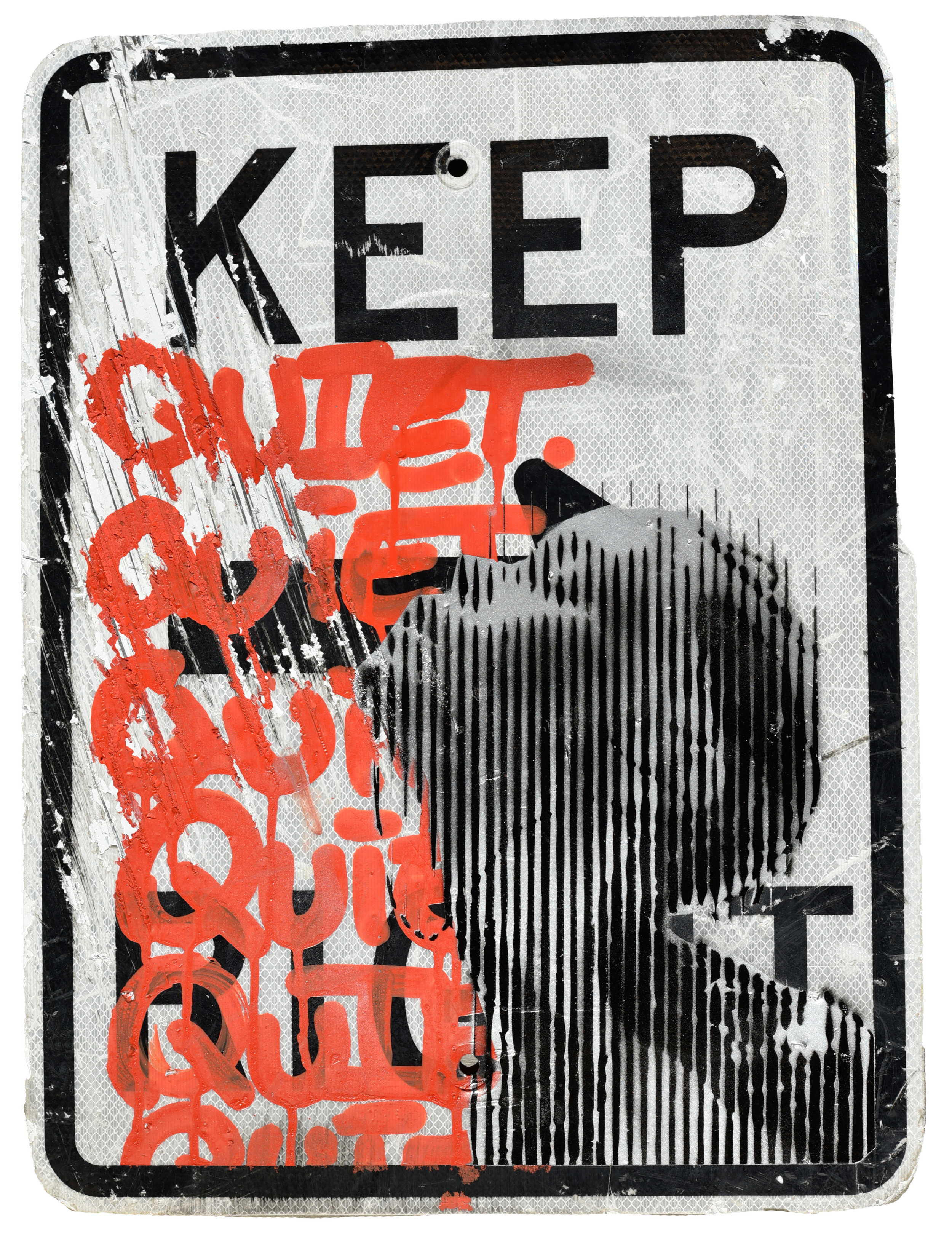
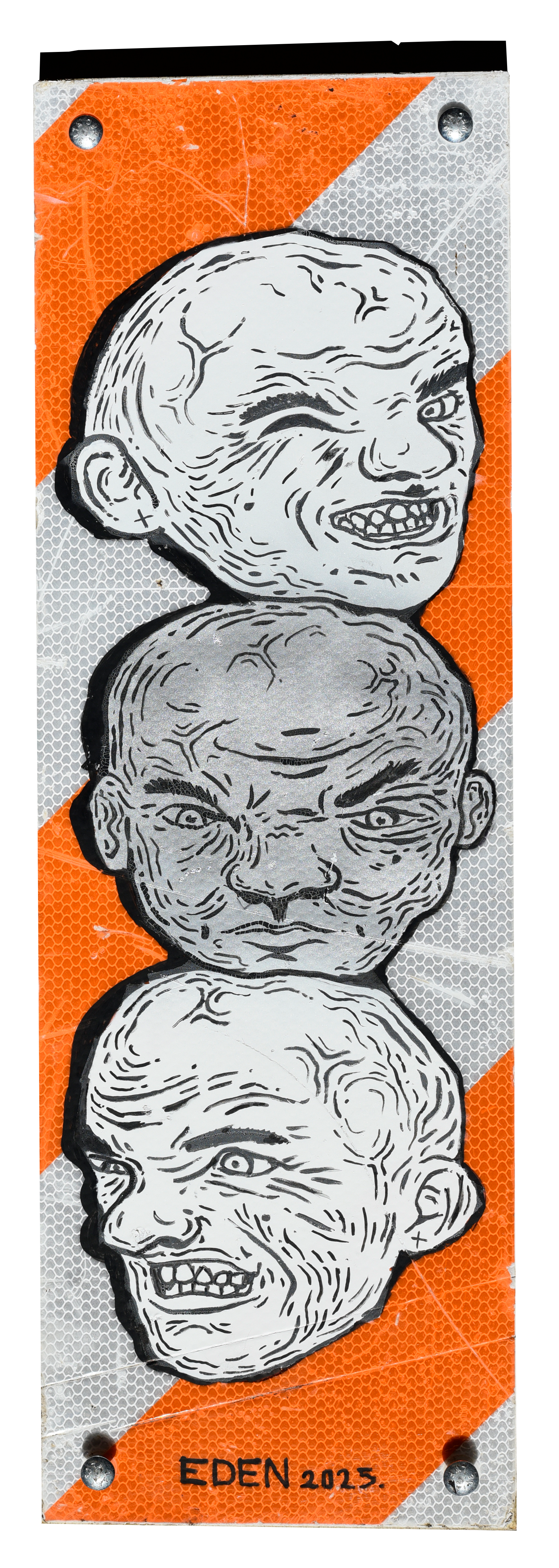
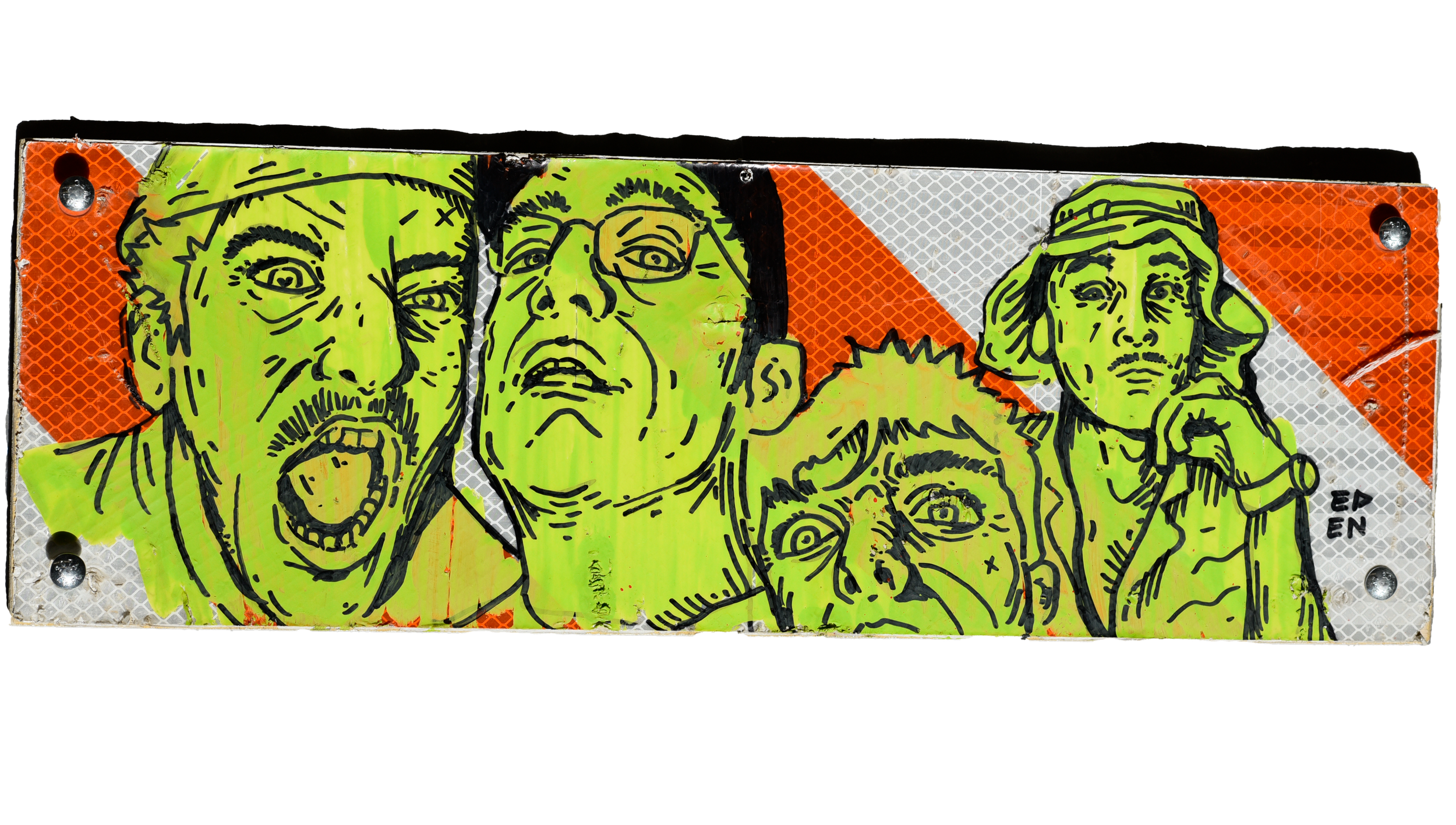
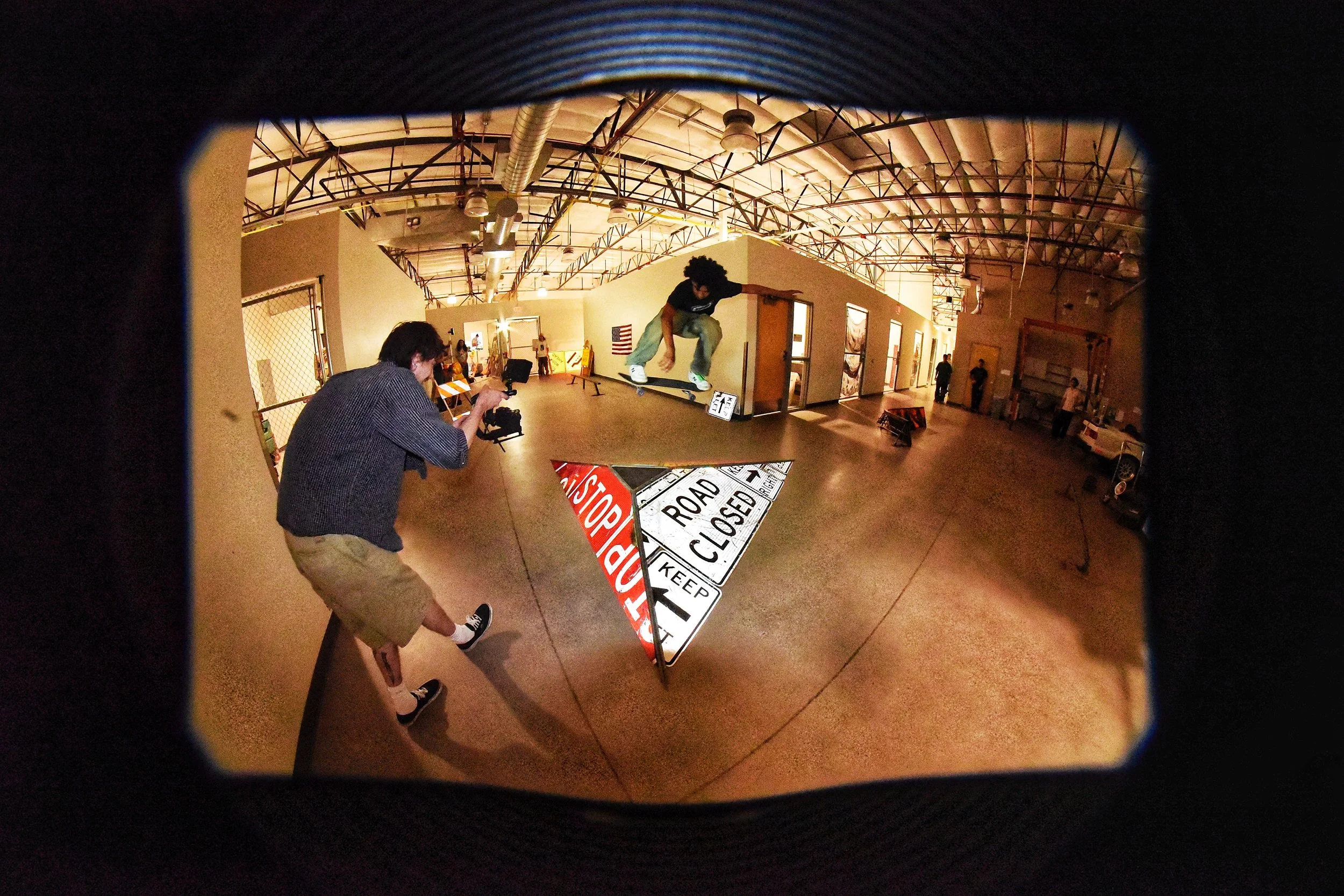
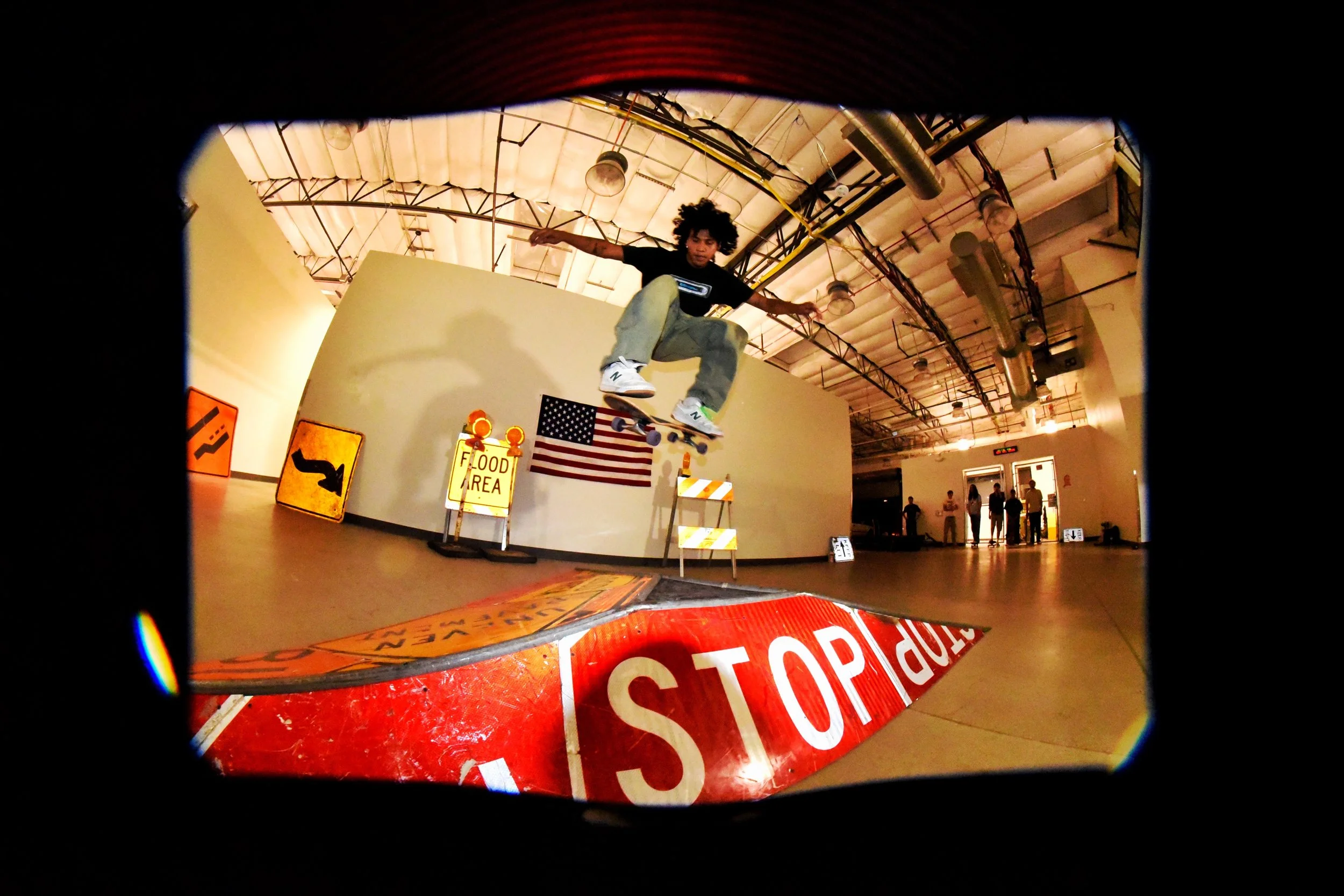
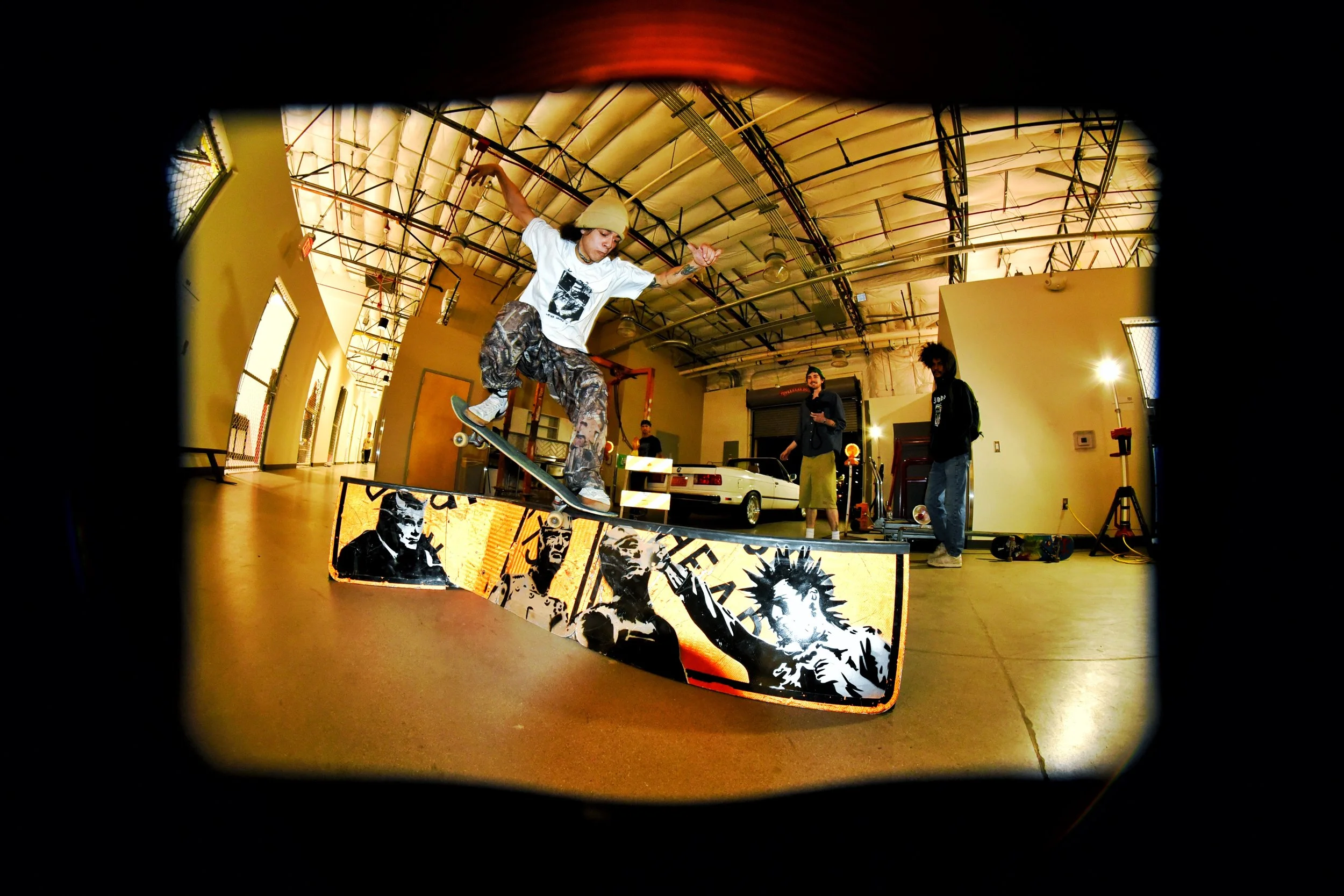
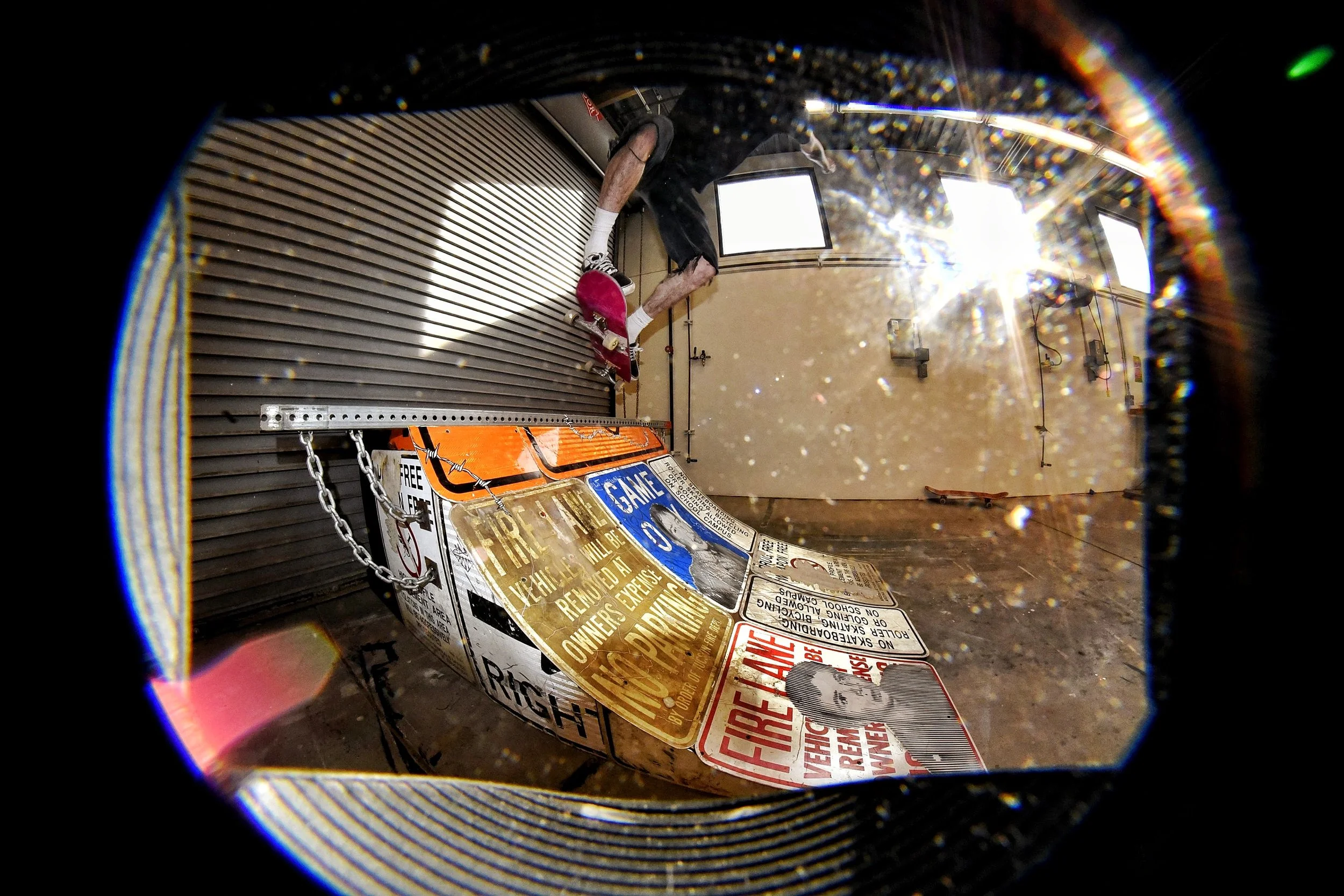
An important extension of DETOUR is my interest in moving art outside of the traditional white-box gallery and placing it back into the social environments that helped shape the work. Skateboarding, punk music, street culture, and DIY communities already operate through participation, improvisation, and shared space, so it became important for the project to exist within those spaces rather than only being viewed inside a gallery.
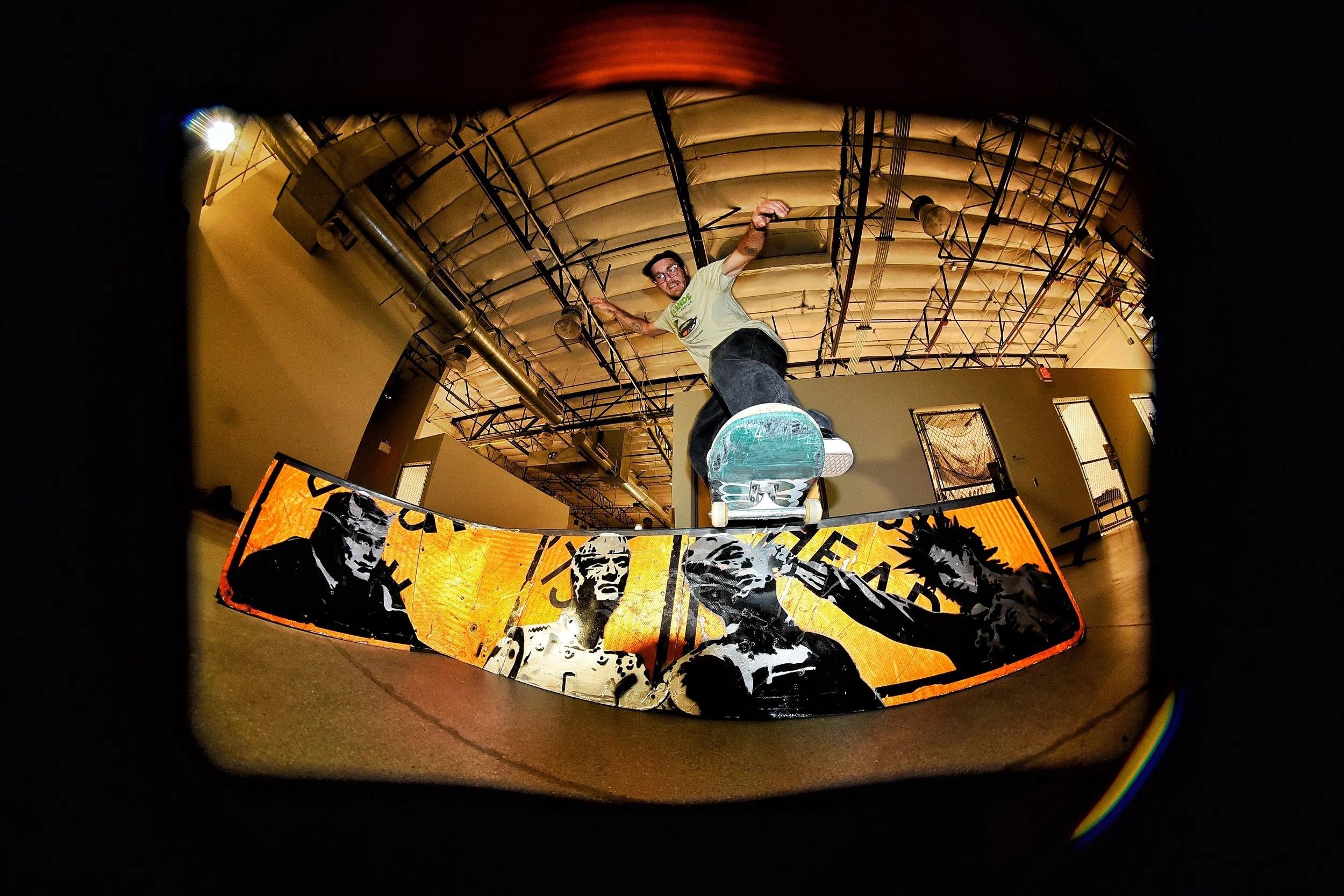
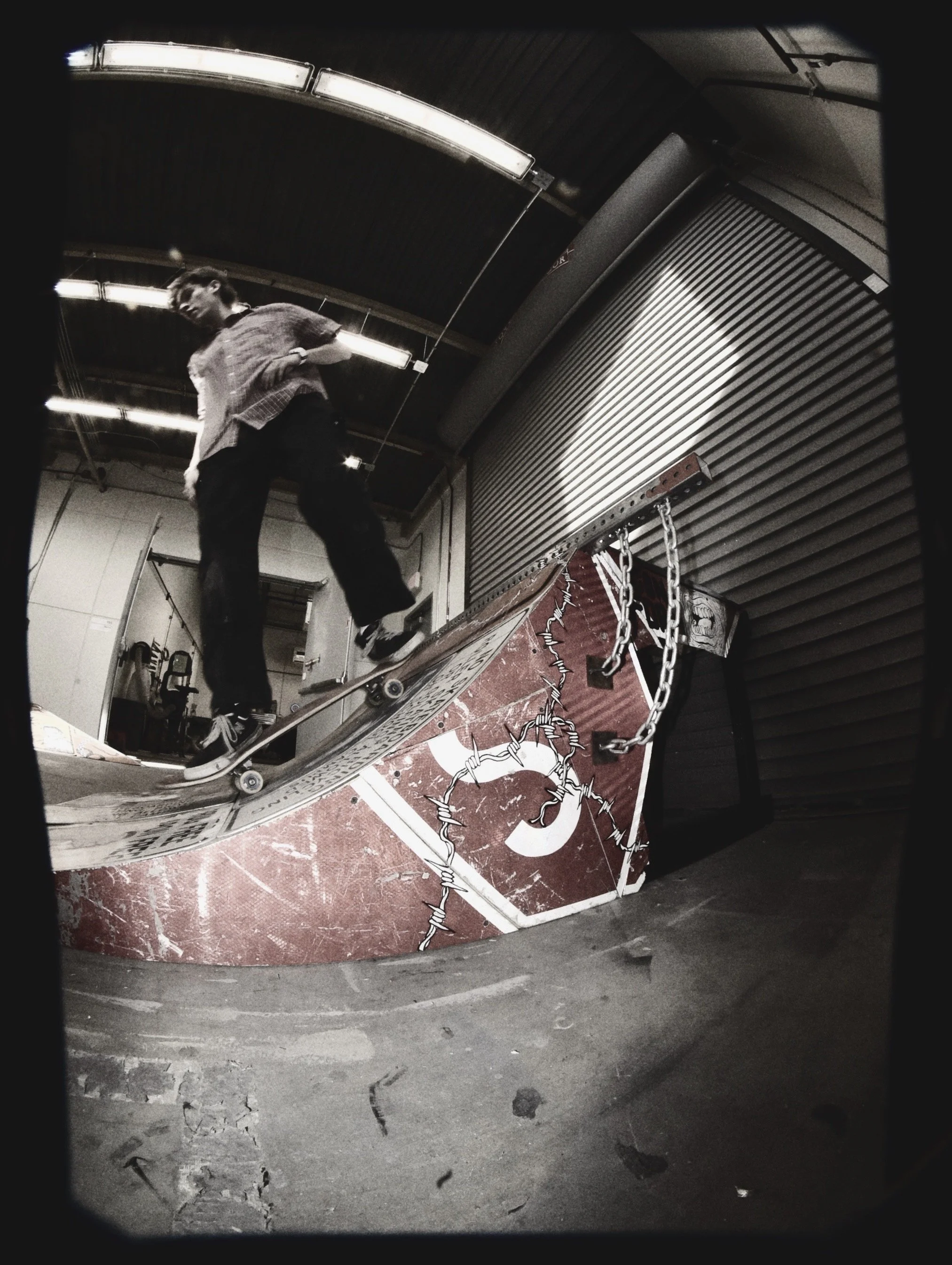
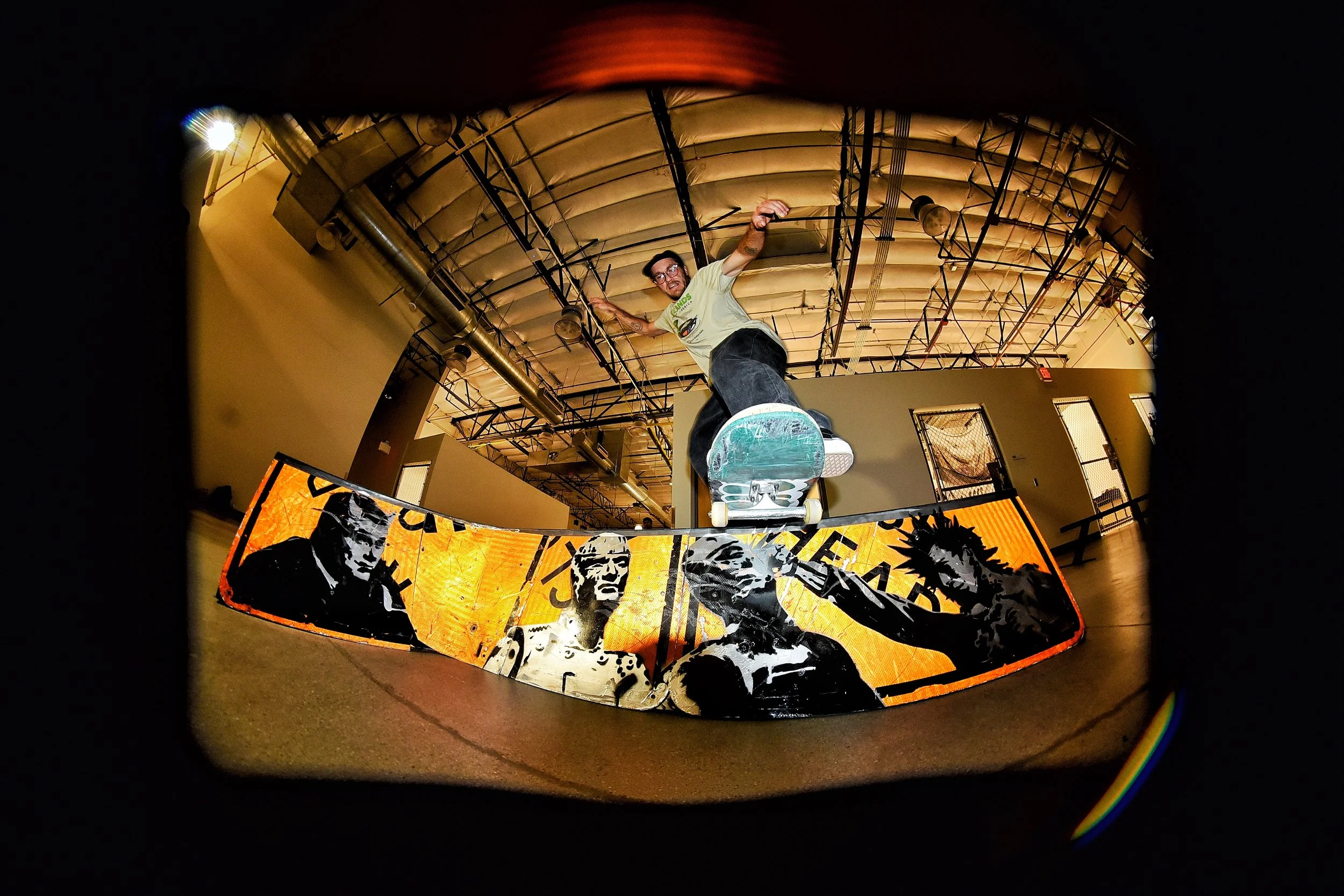
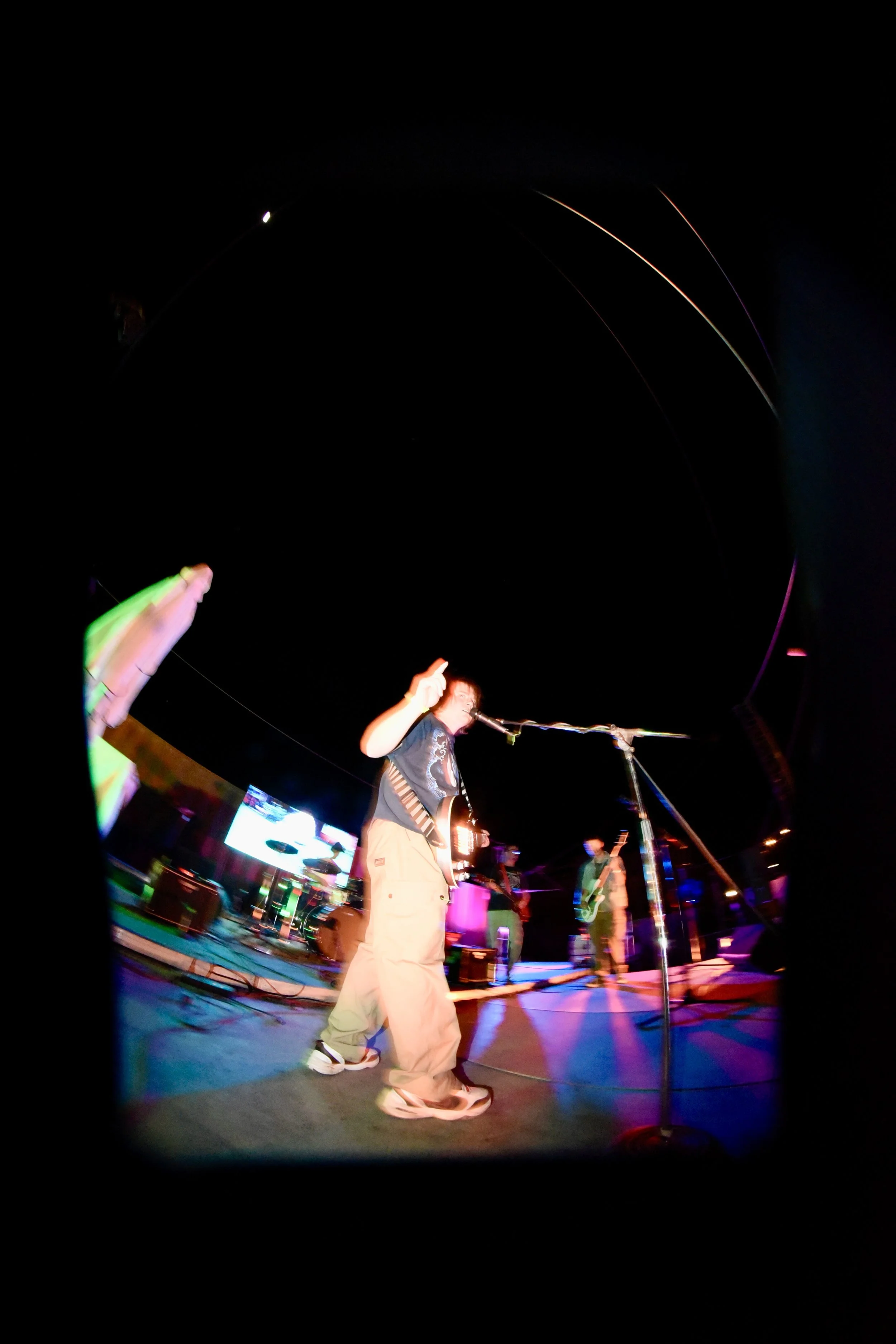
In May 2026, I worked with local punk bands, event organizers, artists, and skaters to present the project at the MSA Annex in Tucson, Arizona. The event brought together more than ten bands, multiple art vendors, live skating, and the DETOUR sculptures and painted street works. Rather than treating the sculptures as finished objects that needed to be protected, skaters were invited to use them, test them, damage them, and change their surfaces through performance.
That physical interaction became part of the work itself. Paint was scraped away, surfaces were marked, and the sculptures changed through contact with the people using them. The project challenged the idea that art must remain fixed, preserved, or separated from everyday life. Instead, the work became temporary, collaborative, and vulnerable to destruction.
By placing DETOUR within a live community event, I was able to blur the boundaries between sculpture, performance, music, skating, and public participation. The work no longer belonged only to me or to the gallery. It became something activated by the people around it, allowing the audience to become part of its meaning rather than simply standing outside of it.
Below is a series of photos taken at the event.
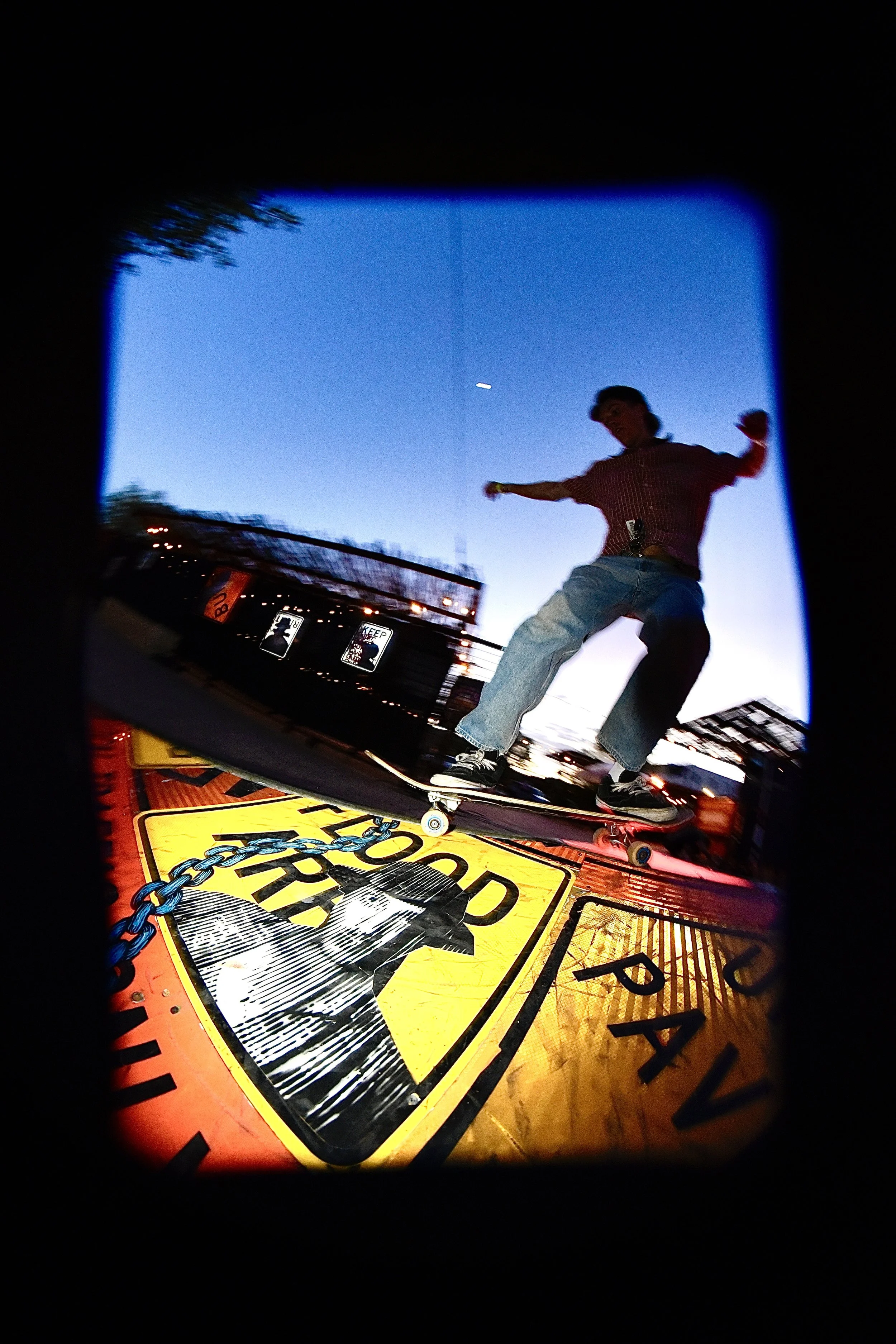
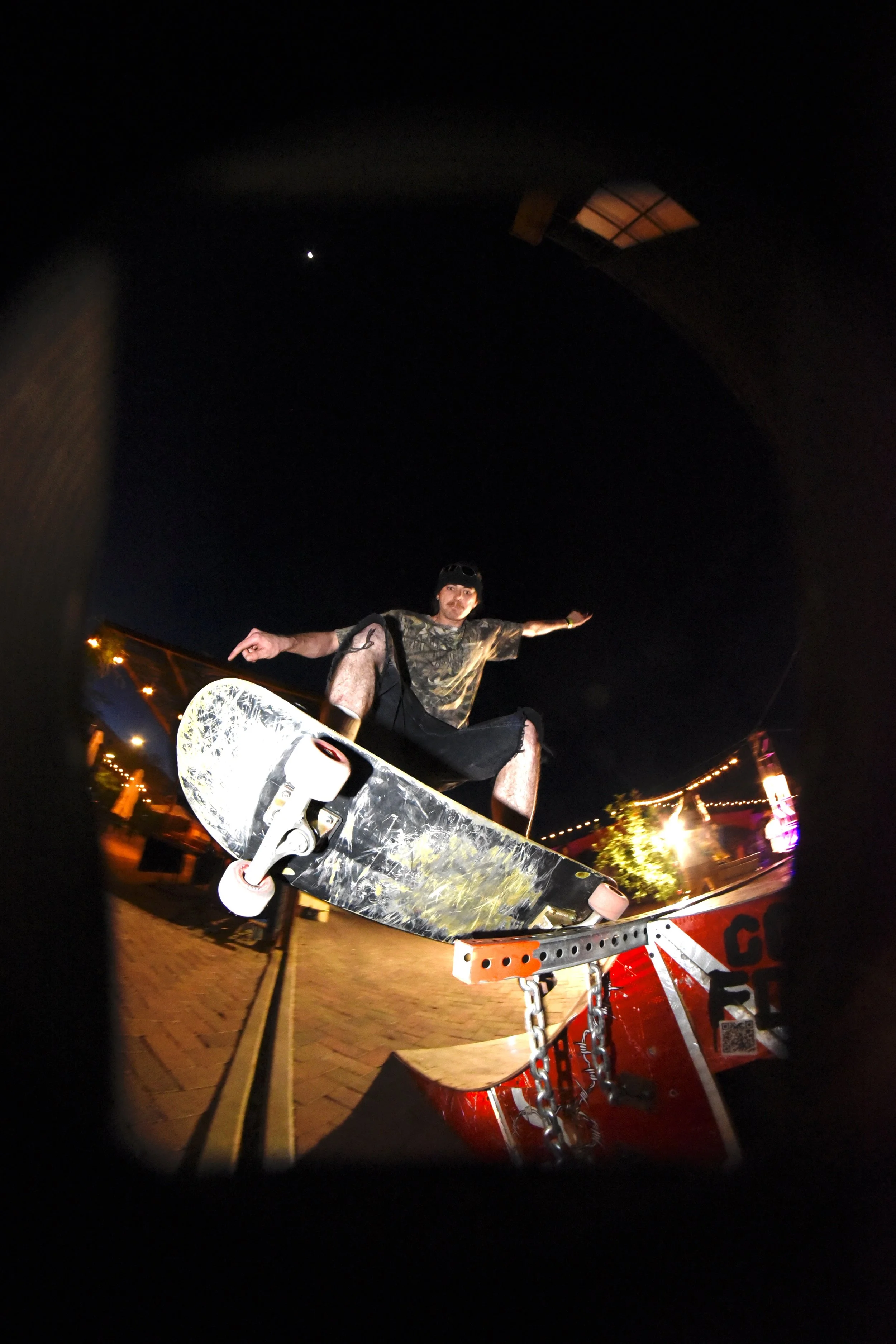
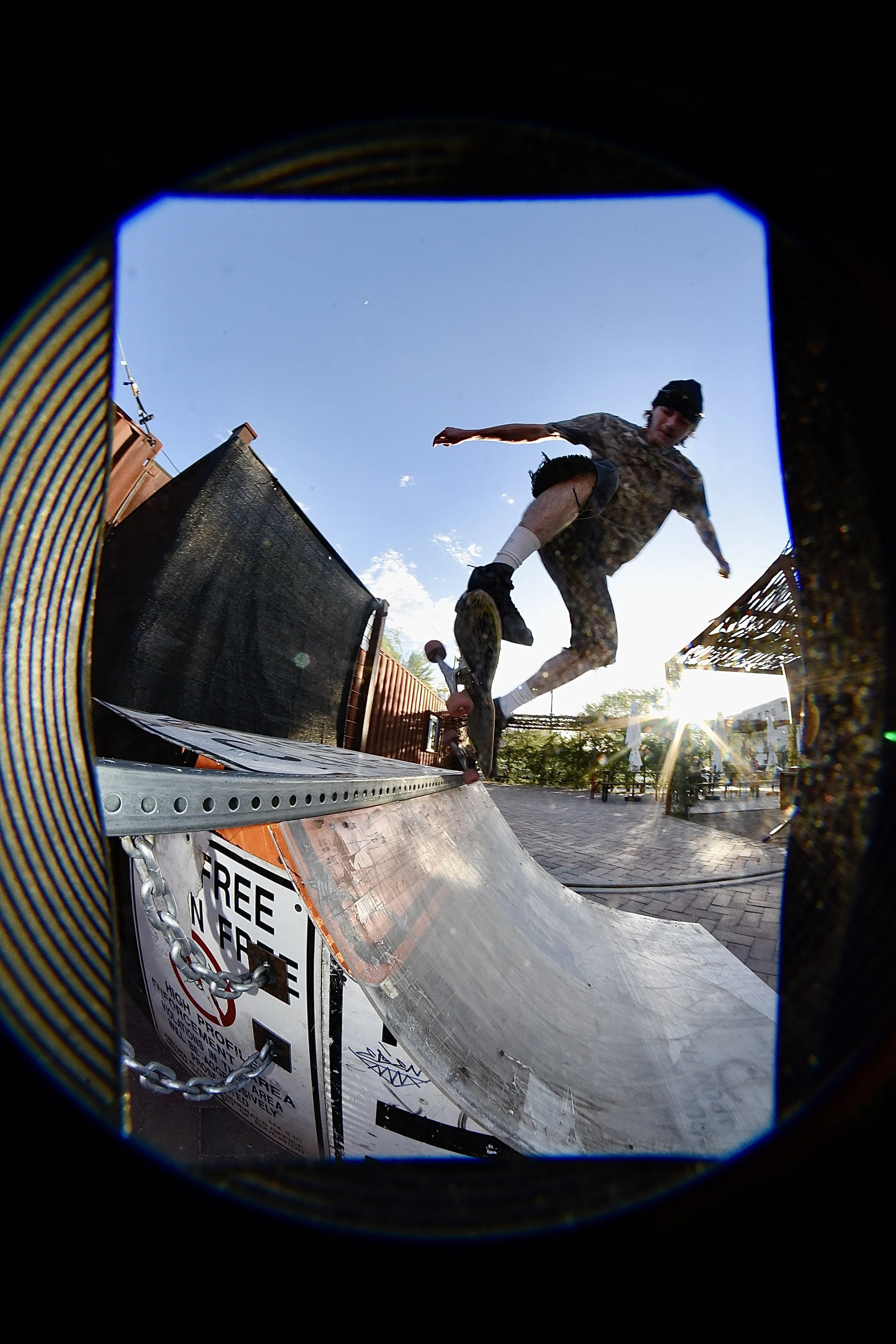
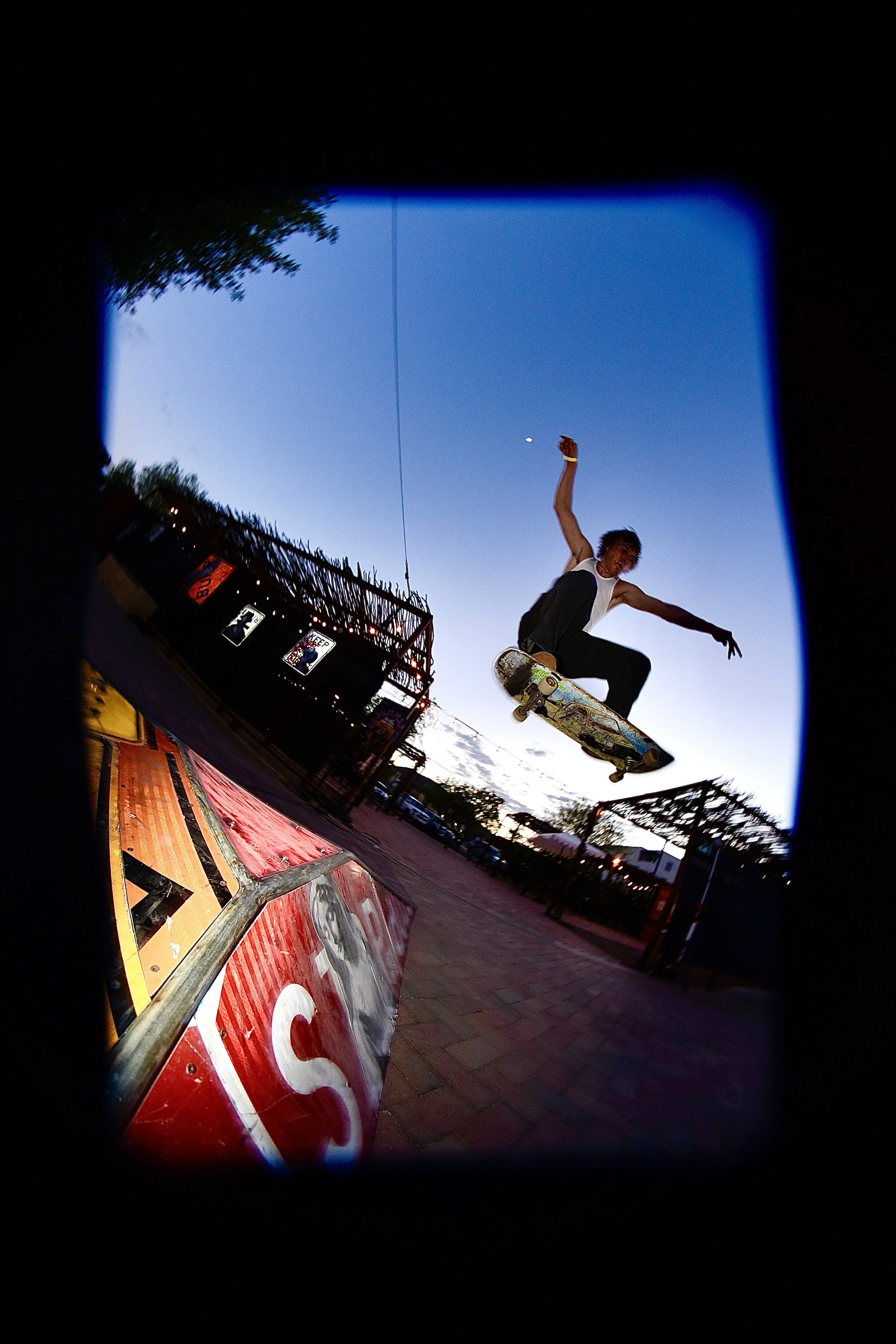
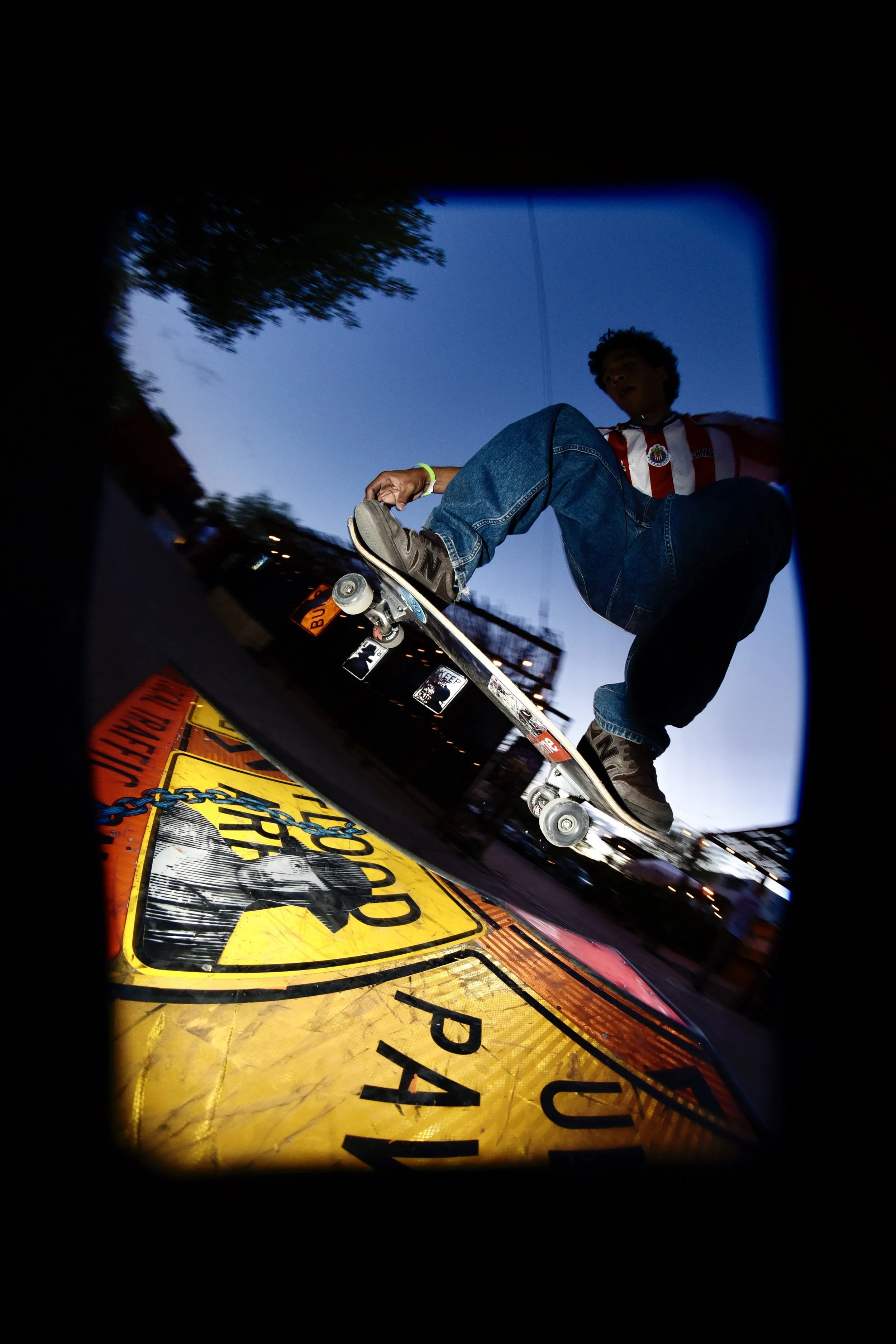
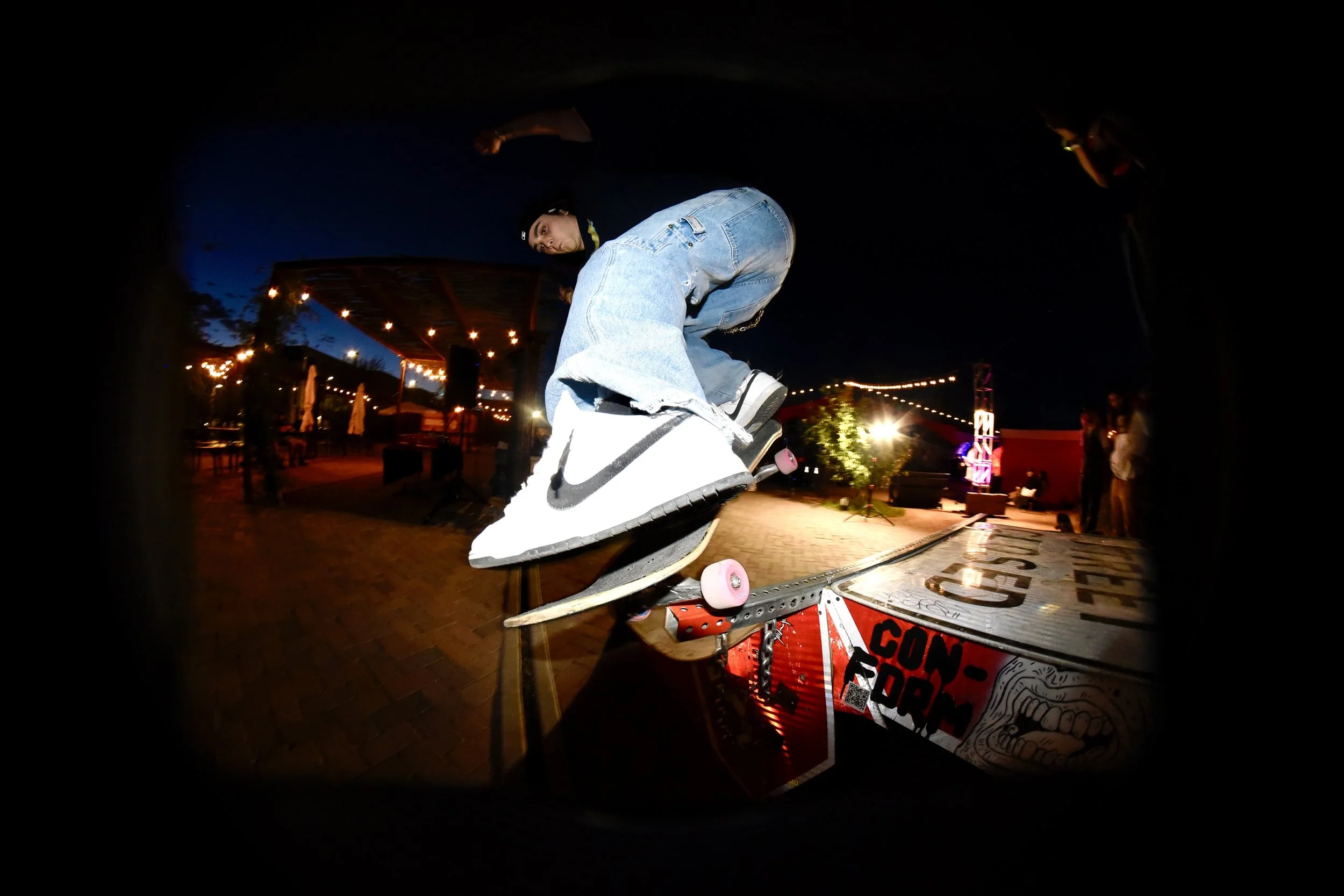
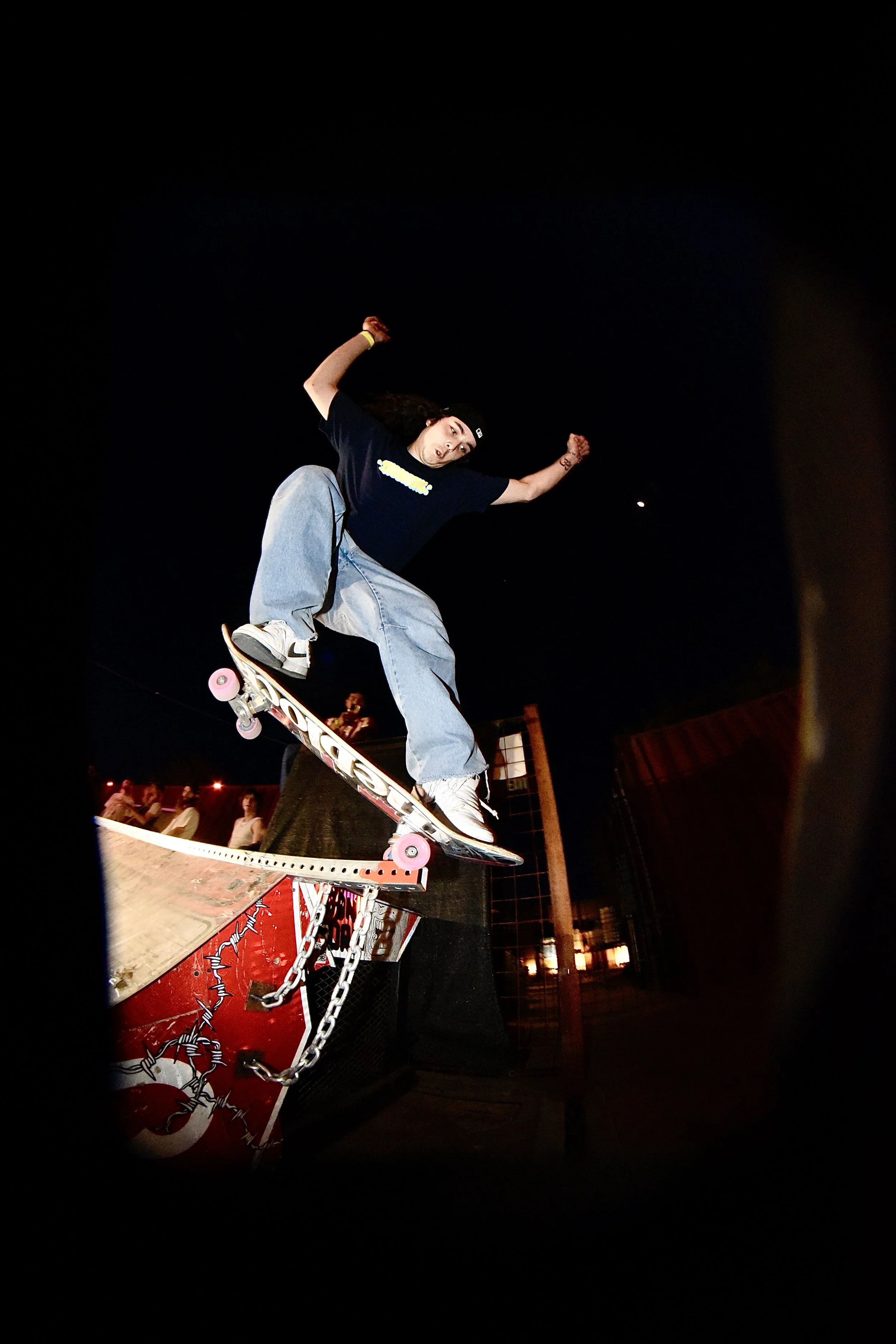
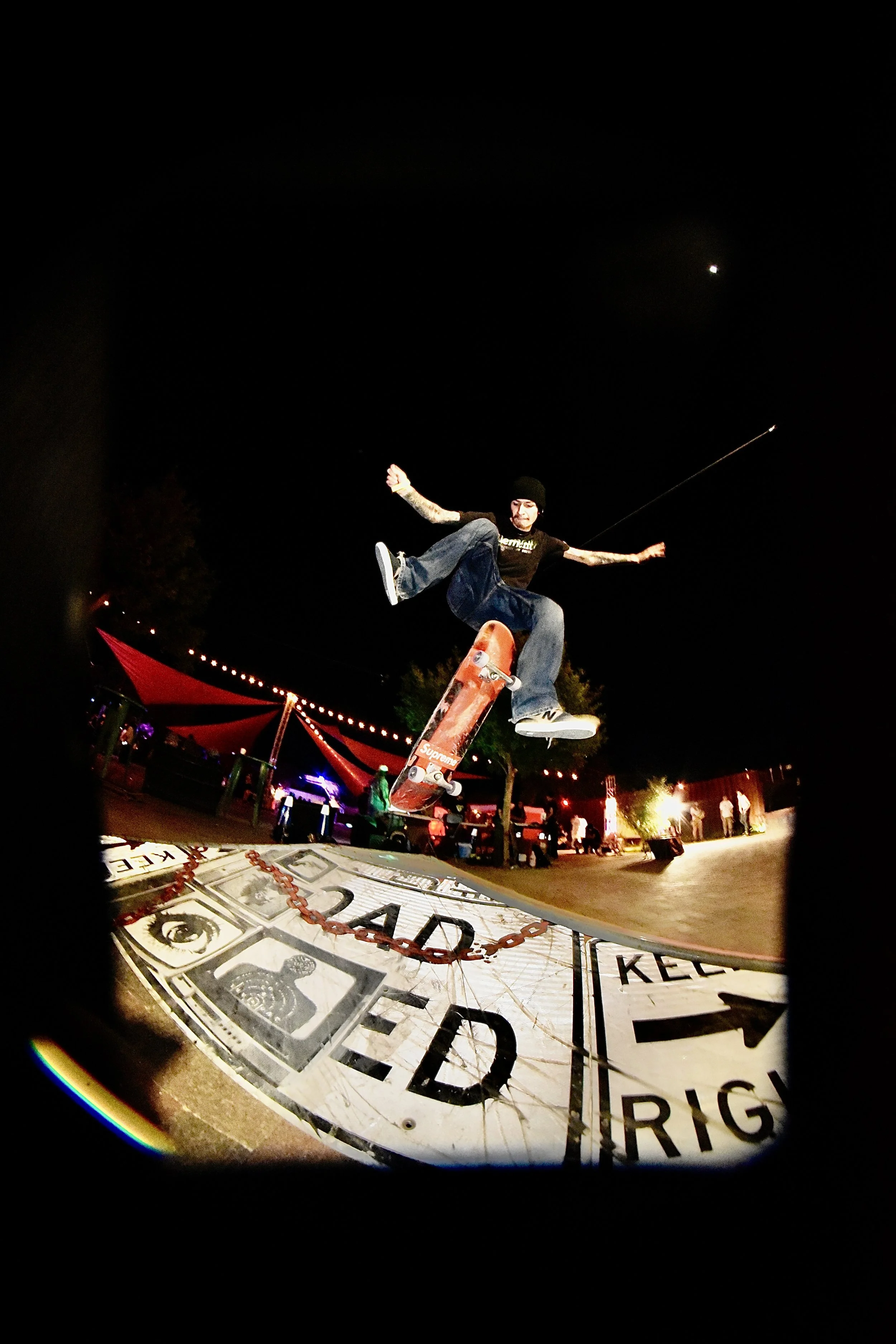
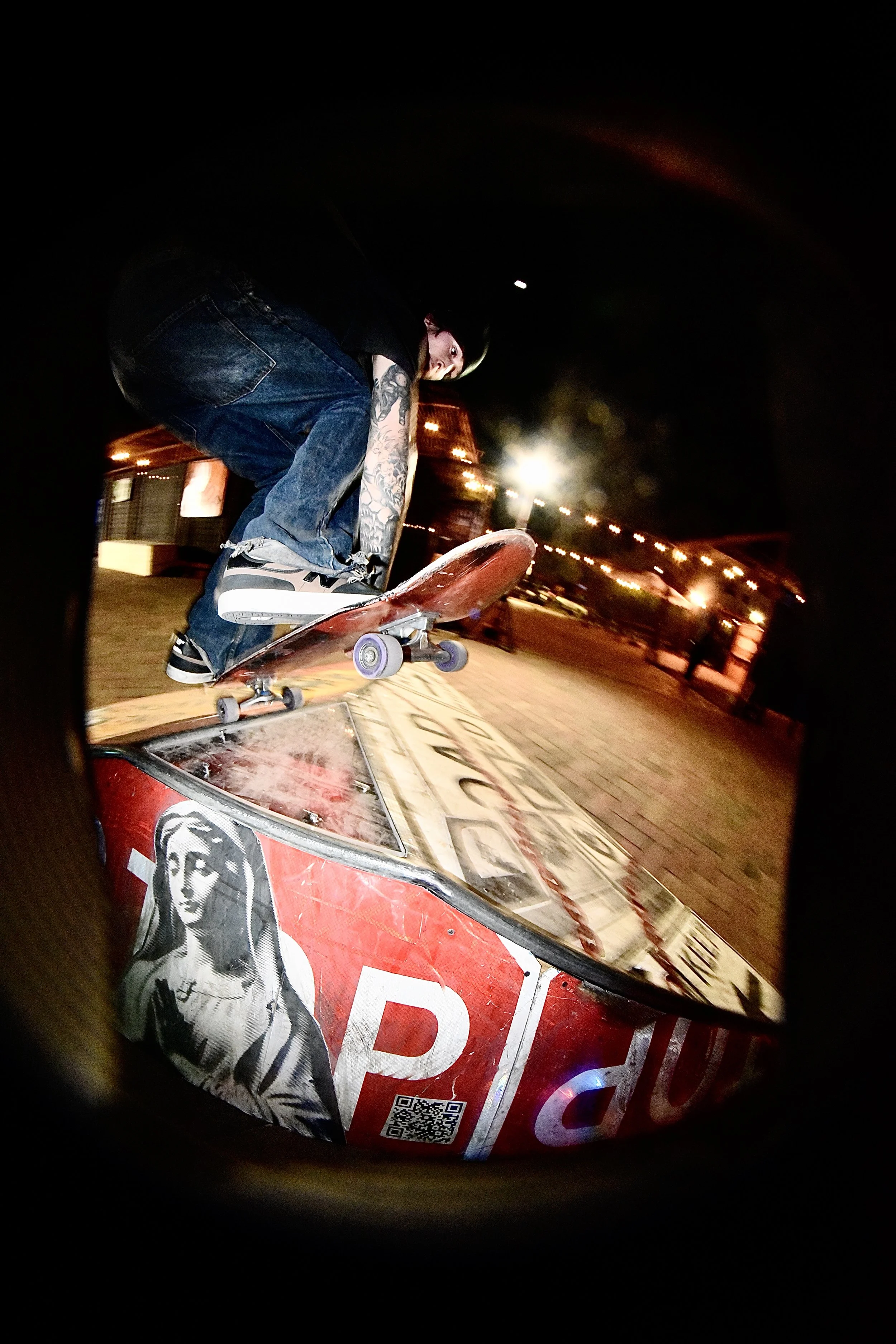
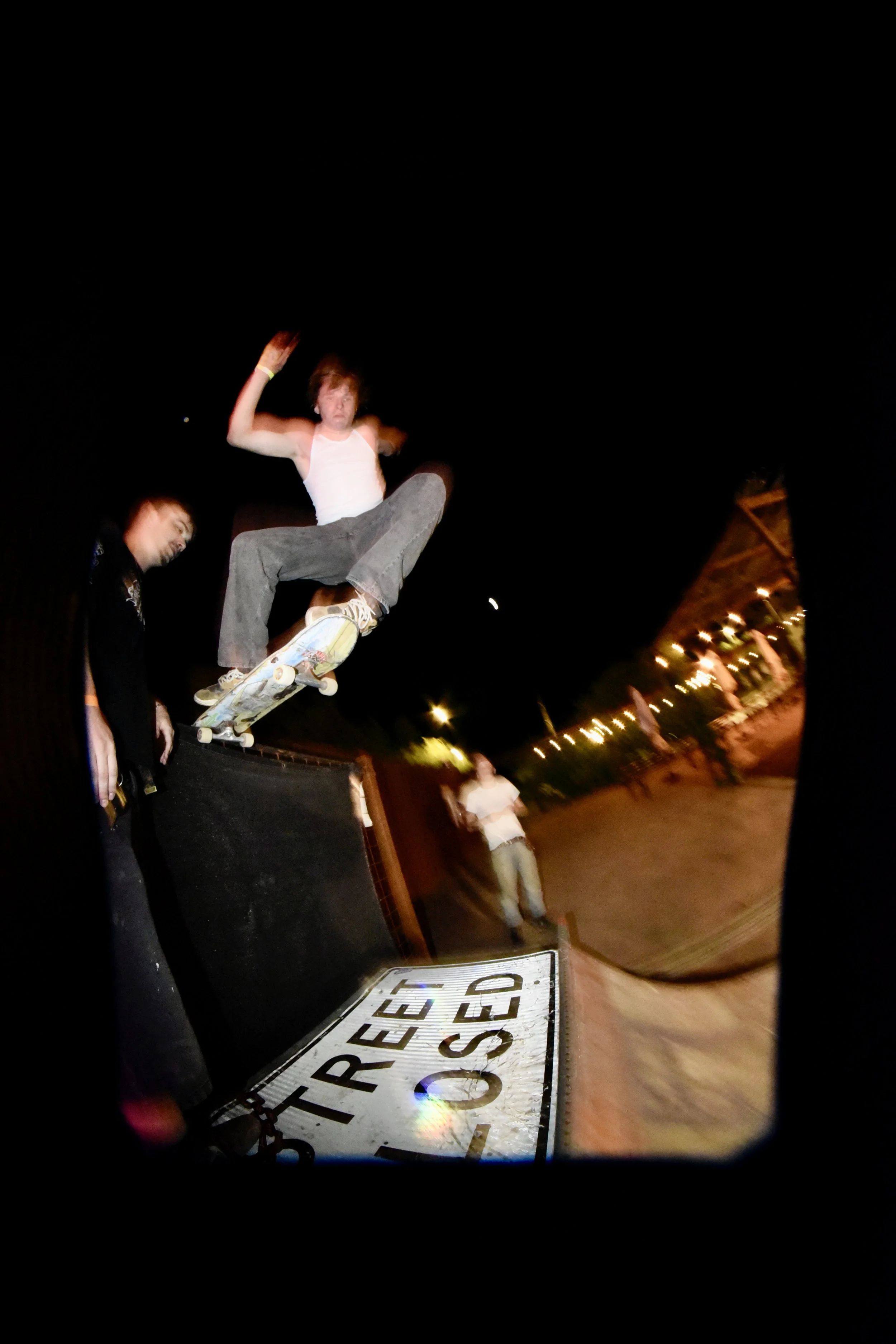
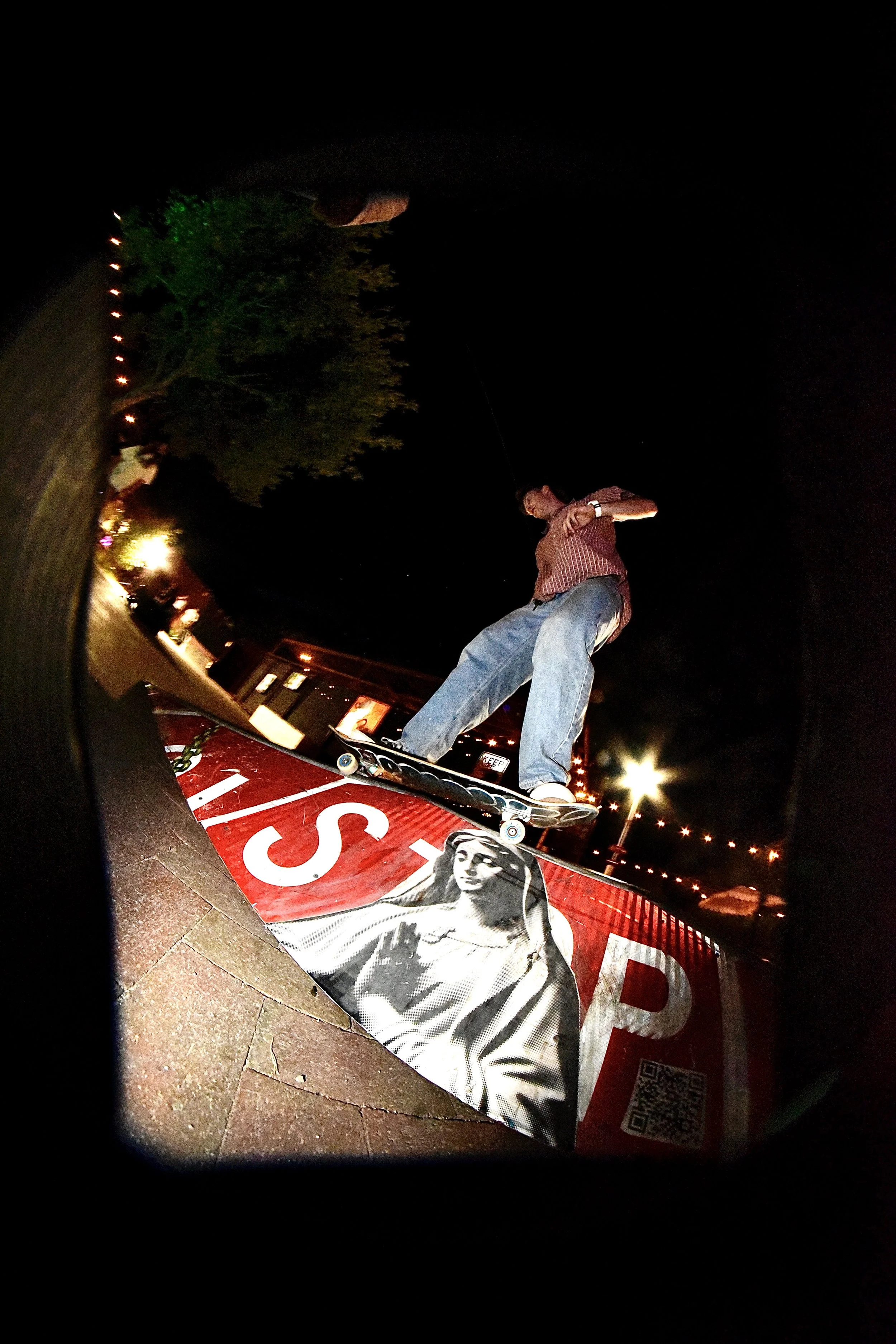
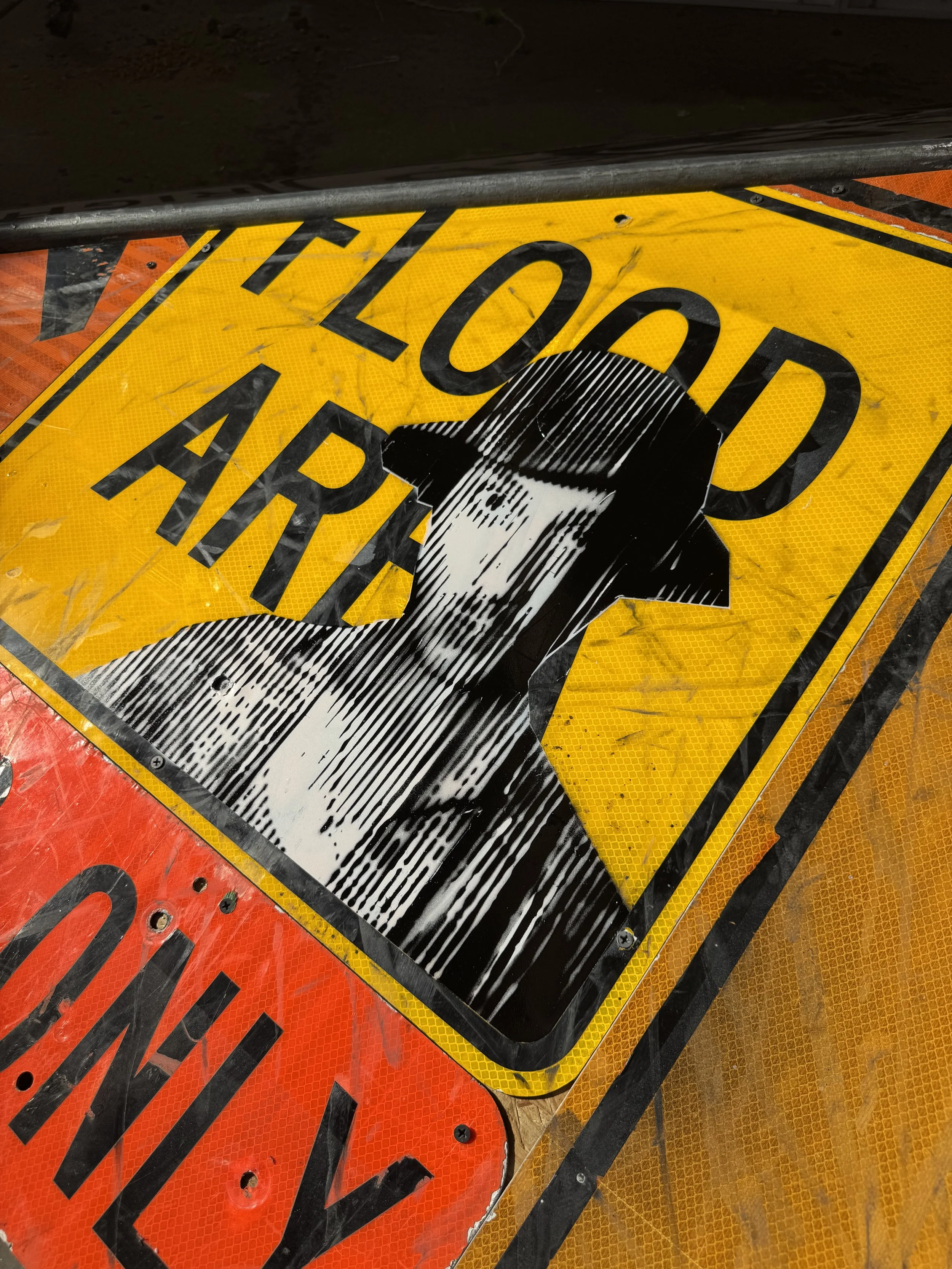
The painted figures on the ramps and rails and signs are built from painted halftone lines and harsh black and white shapes that resemble barcodes and printed graphics, turning the body into something caught between person, image, and digital trace. I want them to feel partially unrecognizable—scanned, circulated, and abstracted—while still remaining tactile, handmade, and vulnerable through paint. The work reflects on the commodification of images, bodies, and culture, while thinking about skateboarding as something that resists being fully fixed or owned. As the ramps are skated, the painted figures slowly wear away, allowing motion, friction, and time to erode the image and become part of the work itself.